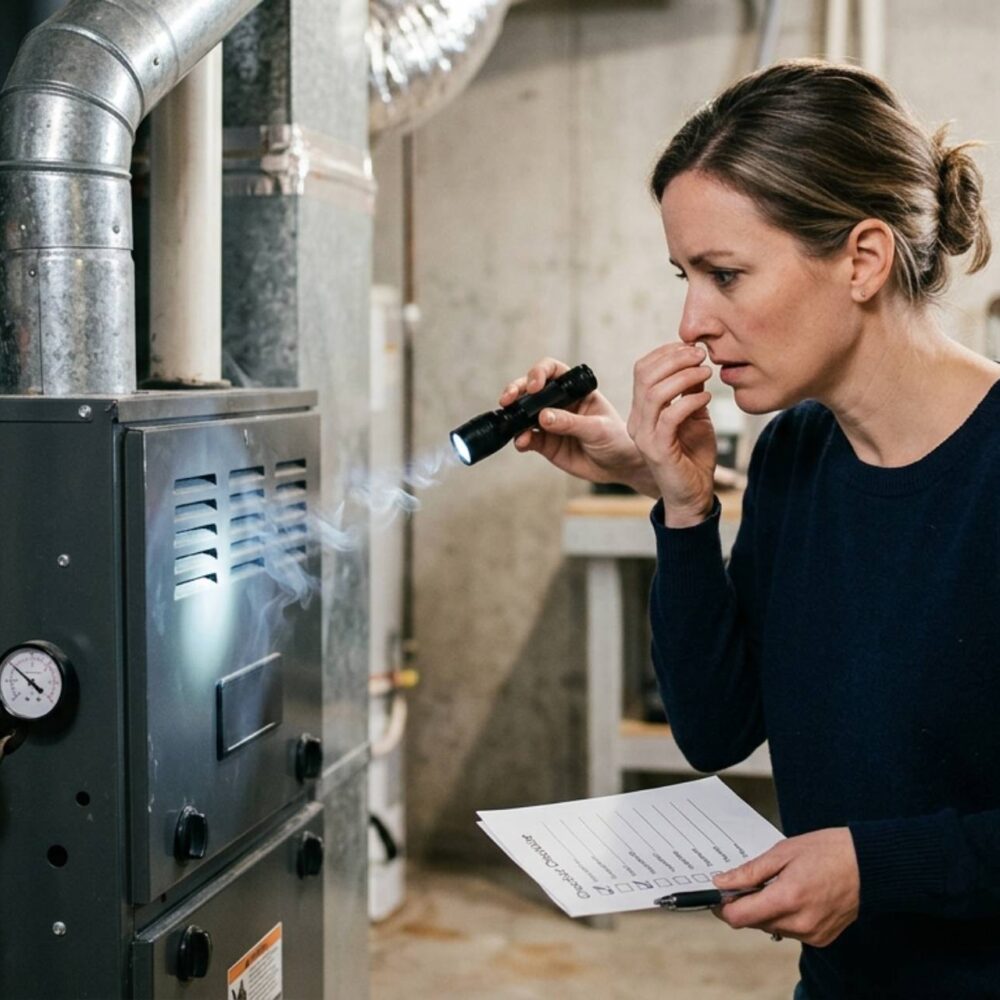
A burning smell coming from your furnace can be unsettling, especially when you switch it on for the first time after months of inactivity. In some cases, the odor is harmless and disappears within a few minutes. In others, it may signal a problem that shouldn’t be ignored. Knowing what to check first can help you determine whether the smell is temporary or if it’s time to call for HVAC Evanston, IL before the issue becomes more serious.
The first few minutes after noticing a burning odor are important. Rather than panicking or immediately assuming the worst, take a systematic approach to identify any obvious warning signs while keeping your home safe.
Is It the First Time You’ve Used the Furnace This Season?
If you’re turning your furnace on after months of sitting idle, a slight burning smell isn’t always a cause for concern.
During the off-season, a thin layer of dust naturally settles on the heat exchanger and other internal components. When the furnace starts up for the first time, that dust burns away, creating a temporary odor that usually disappears within 15 to 30 minutes.
However, if the smell becomes stronger or continues long after the system has warmed up, it’s worth investigating further.
Step 1: Check Whether the Smell Is Getting Stronger
Take a moment to determine whether the odor is fading or becoming more noticeable.
A light dust-burning smell that gradually disappears is generally normal. On the other hand, an odor that grows stronger, smells like burning plastic, rubber, or electrical wiring, or spreads throughout the house may indicate a mechanical or electrical problem that requires immediate attention.
If the smell intensifies instead of improving, it’s safest to turn the furnace off.
Step 2: Inspect the Air Filter
One of the easiest things to check is the furnace air filter.
A dirty or clogged filter restricts airflow, forcing the system to work harder than necessary. In some cases, restricted airflow can cause components to overheat, contributing to unusual odors.
If the filter appears dirty or hasn’t been replaced in several months, installing a new one is a simple maintenance task that may improve both airflow and furnace performance.
Step 3: Look Around the Furnace
Without removing any panels, visually inspect the area around your furnace.
Make sure there are no boxes, cleaning supplies, paper products, paint cans, or other combustible materials stored too close to the unit. These items can sometimes produce odors if they become excessively warm.
Also check for excessive dust buildup around return air vents and the furnace itself, as accumulated dust can contribute to burning smells during operation.
Step 4: Pay Attention to Other Warning Signs
A burning smell rarely appears completely on its own. Your furnace may already be giving you other clues that something isn’t working properly.
Watch for signs such as:
- Unusual banging or grinding noises.
- Weak airflow from the vents.
- The furnace shutting off unexpectedly.
- Smoke or visible scorch marks.
- The smell becoming stronger over time.
- Circuit breakers repeatedly tripping.
If you notice more than one of these symptoms, stop using the furnace until it has been inspected.
Step 5: Know When to Turn the System Off
Some situations require immediate action.
If you smell burning plastic, melting rubber, electrical wiring, or notice smoke coming from the furnace, turn the system off immediately using the thermostat or power switch if it is safe to do so.
Avoid continuing to operate the furnace in hopes that the smell will disappear. Running the system could increase the risk of equipment damage or create a potential safety hazard.
Common Causes Beyond Dust
While seasonal dust is one of the most common explanations, other issues may also cause burning odors.
These include:
- An overheating blower motor.
- Loose electrical connections.
- Worn belts or bearings.
- A failing capacitor.
- Electrical components beginning to overheat.
These problems require professional diagnosis and should never be repaired without the proper training and equipment.
Preventing Future Furnace Odors
Many furnace issues can be avoided with routine maintenance.
Replacing air filters on schedule, keeping vents unobstructed, scheduling annual furnace inspections, and keeping the area around the furnace clean all help reduce unnecessary strain on the system.
Annual maintenance also allows technicians to identify worn electrical components or developing mechanical issues before they create noticeable problems.
Don’t Ignore Your Furnace’s Warning Signs
Your furnace is designed to operate safely and efficiently. When unusual smells appear, they’re often the system’s way of telling you something needs attention.
Although some odors are harmless, especially after the first startup of the season, others should never be ignored. Paying attention to early warning signs can help prevent more serious repairs while giving you greater peace of mind during the heating season.
Conclusion
A burning smell coming from your furnace doesn’t always mean there’s a major problem, but it should never be dismissed without a quick inspection. Something as simple as dust burning off after months of inactivity may resolve on its own, while persistent odors, electrical smells, or smoke can indicate issues that require immediate professional attention.
Taking a few minutes to check your filter, inspect the area around the furnace, and watch for additional warning signs can help you determine the next steps. When in doubt, it’s always safer to have the system inspected by a qualified HVAC technician. Acting early can protect your heating system, improve your home’s safety, and help ensure reliable comfort throughout the winter months.