• Skip to primary navigation
  • Skip to main content
  • Skip to primary sidebar
  • Skip to footer

Bahaical

  • Home
  • Finance
  • Marketing
  • Law
  • Career
  • Contact Me

Business

How Small Businesses Can Use Packaging to Compete With Bigger Brands

June 19, 2026 By James Beckett

Packaging

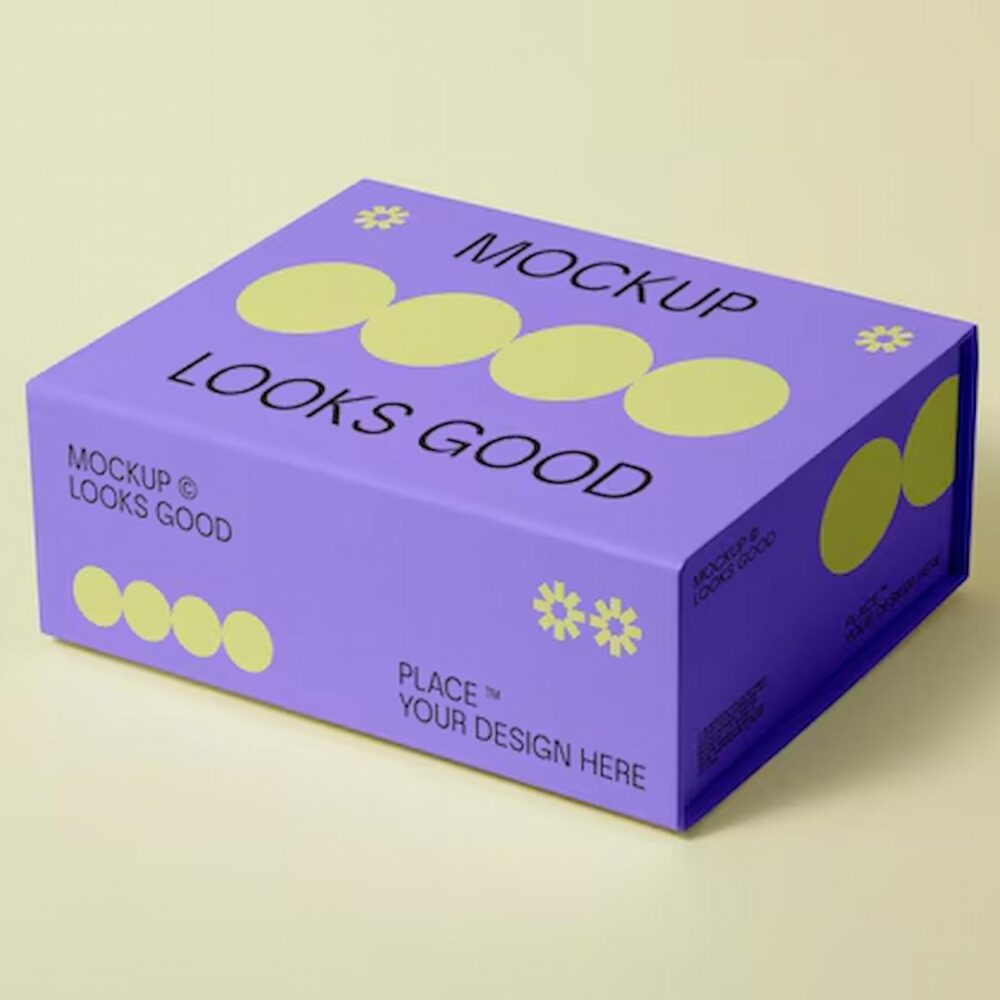
For many small businesses, competing with larger brands can feel like an uphill battle. Bigger companies often have larger marketing budgets, wider distribution networks, and stronger brand recognition. However, one area where smaller businesses can level the playing field is packaging.

Packaging is often the first physical interaction a customer has with a product. It influences perception, creates memorable experiences, and helps communicate a brand’s identity. When used strategically, thoughtful packaging can help small businesses stand out, build loyalty, and leave a lasting impression that rivals much larger competitors.

First Impressions Matter More Than Ever

In today’s retail and e-commerce environment, customers are constantly exposed to products and advertisements. As a result, grabbing attention has become increasingly challenging.

Packaging provides an opportunity to make a strong first impression. A well-designed package can communicate professionalism, quality, and attention to detail before the customer even uses the product.

Many small businesses source customised packaging solutions from suppliers such as the printed bag shop to create packaging that reflects their brand personality. Whether it’s printed bags, branded boxes, or customised wrapping, consistent visual presentation helps businesses appear more established and memorable.

Customers often associate attractive packaging with higher product quality. Even simple design improvements can significantly influence purchasing decisions and brand perception.

Building a Strong Brand Identity

Large brands invest heavily in creating recognisable identities. Small businesses can achieve similar results by ensuring their packaging consistently reflects their values, style, and messaging.

Elements such as colours, logos, typography, and packaging materials should work together to create a cohesive brand experience. Consistency across all packaging helps customers recognise a business instantly, whether they encounter the product online, in-store, or through social media.

When customers repeatedly see the same visual identity, familiarity grows. Over time, this familiarity can lead to trust, which is often one of the most important factors in purchasing decisions.

Creating a Memorable Unboxing Experience

The rise of online shopping has transformed packaging from a practical necessity into a valuable marketing tool.

Customers increasingly share purchases on social media, particularly when the packaging feels special or unexpected. A thoughtful unboxing experience can encourage customers to post photos, videos, and reviews, providing valuable word-of-mouth exposure.

Simple additions can make a significant difference:

  • Personalised thank-you notes
  • Branded tissue paper
  • Custom stickers
  • Attractive printed bags
  • Sustainable packaging materials

These details help create a positive emotional connection with customers and can increase the likelihood of repeat purchases.

Using Packaging to Tell Your Story

One advantage small businesses often have over larger competitors is authenticity.

Customers increasingly want to know who they are buying from and what values a business represents. Packaging can be an effective platform for sharing that story.

Businesses can use packaging to communicate:

  • Their origins and mission
  • Craftsmanship and production methods
  • Sustainability commitments
  • Community involvement
  • Product care instructions

These messages help humanise the brand and create stronger customer relationships. People are often more inclined to support businesses they feel connected to on a personal level.

Standing Out Through Sustainability

Sustainability has become an important consideration for many consumers. Packaging choices can play a significant role in demonstrating environmental responsibility.

Small businesses do not necessarily need expensive solutions to make a positive impact. Recyclable materials, reusable packaging, and reduced waste can all contribute to a more environmentally conscious brand image.

Clear communication about sustainability efforts also matters. Customers appreciate transparency and are more likely to support businesses that actively work to reduce their environmental footprint.

When packaging aligns with customer values, it can become a competitive advantage rather than simply a functional necessity.

Enhancing Perceived Value

Packaging can significantly influence how customers perceive the value of a product.

A product presented in professional, attractive packaging often feels more premium, even when the actual product remains unchanged. This perception can justify pricing, increase customer satisfaction, and strengthen brand positioning.

Small businesses should focus on quality rather than complexity. Clean design, durable materials, and thoughtful presentation often create a stronger impression than overly elaborate packaging.

Many successful independent brands use simple but carefully executed packaging to communicate quality and professionalism.

Encouraging Customer Loyalty

Customer retention is often more cost-effective than constantly acquiring new customers. Packaging can play an important role in encouraging repeat business.

Positive packaging experiences contribute to overall customer satisfaction. When customers feel valued, they are more likely to return and recommend the business to others.

Branded packaging sourced from providers like the printed bag shop can help create consistency across every customer interaction, reinforcing brand recognition and professionalism over time.

Even small touches, such as personalised messages or loyalty incentives included within packaging, can strengthen customer relationships and encourage future purchases.

Maximising Marketing on a Budget

Unlike traditional advertising campaigns, packaging reaches customers at a critical moment: when they are actively engaging with the product.

For small businesses with limited marketing budgets, this makes packaging one of the most cost-effective branding tools available.

Every package delivered becomes a miniature advertisement. Whether carried through a shopping centre, displayed in an office, or shared online, branded packaging extends visibility beyond the initial purchase.

This ongoing exposure helps maximise marketing value without requiring significant additional investment.

Conclusion

Small businesses may not have the financial resources of larger competitors, but they often have greater flexibility, creativity, and authenticity. Packaging provides a powerful opportunity to showcase these strengths.

From building brand recognition and enhancing perceived value to creating memorable customer experiences and encouraging loyalty, effective packaging can influence how customers view and interact with a business.

By treating packaging as an extension of the brand rather than simply a container, small businesses can create meaningful connections with customers and compete more effectively in increasingly crowded markets. Thoughtful, consistent, and customer-focused packaging remains one of the most accessible ways for smaller brands to stand out and grow.

Filed Under: Business

The Rise of Virtual Offices in Premium Perth Locations Like 197 St Georges Terrace

June 12, 2026 By James Beckett

Virtual Offices

Businesses today seek smarter ways to establish a strong presence without heavy overheads. In Perth, the demand for flexible solutions has grown steadily as companies adapt to hybrid models and rising operational costs. Premium addresses in the central business district now offer professional credibility alongside practical support services. This shift reflects broader changes in how teams operate across Western Australia and beyond.

Many forward-thinking enterprises have embraced virtual offices to project an established image while keeping expenses in check. These services provide a prestigious business address, mail handling, and access to meeting facilities on an as-needed basis. Entrepreneurs and established firms alike appreciate the freedom to work remotely without sacrificing professionalism or client trust.

Perth’s economy, driven by resources, technology, and professional services, continues to attract new ventures. Virtual solutions allow these businesses to compete effectively in a competitive market. They eliminate long-term leases and maintenance commitments, freeing capital for growth initiatives instead.

Why Virtual Offices Appeal to Perth Businesses

Organisations value the balance between flexibility and structure that these arrangements provide. They gain a central Perth address without committing to full-time space. This approach suits consultants, startups, and interstate operators expanding into Western Australia.

Reduced costs rank high among the advantages. Traditional offices involve rent, utilities, and fit-out expenses that strain budgets, especially during the early stages. Virtual options deliver similar prestige at a fraction of the price, allowing reinvestment in marketing or staff development.

A standout choice remains 197 St Georges Terrace, where modern infrastructure meets prime positioning in the heart of the city. This location delivers an impressive facade that impresses clients and supports seamless daily operations through integrated services.

Key Advantages in a Dynamic Market

Perth’s business community recognises the strategic value of a strong local footprint. A premium address signals reliability to partners and customers across Australia. It also supports regulatory requirements for company registration while maintaining operational agility.

Access to shared facilities adds further appeal. Businesses can book meeting rooms or workspaces when hosting clients or running workshops, creating an efficient hybrid model. This setup supports productivity without constant overheads.

  • Prestigious business address in the CBD for all correspondence and registrations
  • Mail and package handling with secure scanning or forwarding options
  • Professional call answering services that project a polished company image
  • Meeting room access on demand in high-quality surroundings
  • Networking opportunities within a vibrant business community

These features combine to create a complete support system for modern operations.

Choosing the Right Virtual Office Solution

Location plays a central role in selection. Areas like St. George’s Terrace offer excellent transport links and proximity to key amenities. Businesses should evaluate providers based on service reliability and additional benefits offered.

Technology integration matters equally. Reliable internet, administrative assistance, and digital tools help remote teams stay connected. Providers that invest in modern systems deliver better long-term value.

  • Assess your core needs, including address requirements and frequency of in-person meetings
  • Compare service packages to match the budget with the necessary support levels
  • Review client testimonials for insights into actual experiences
  • Check contract flexibility to ensure alignment with business growth plans
  • Evaluate technology provisions for seamless remote collaboration

Careful consideration ensures the chosen solution supports both current and future objectives.

The Role of Premium Locations in Brand Perception

Situating operations at an iconic Perth address elevates how others perceive the business. Clients associate the location with success and stability, which strengthens relationships from the first interaction. This perception advantage proves particularly valuable for service-based industries.

The natural beauty surrounding Perth adds another dimension. Professionals enjoy a high quality of life, which attracts talent even in remote or hybrid arrangements. Virtual offices enable companies to tap into this appeal without relocating staff.

Supporting Growth Across Western Australia

Virtual offices facilitate expansion into new markets with minimal risk. Companies can test opportunities in Perth while operating primarily from other locations. This low-commitment entry point encourages innovation and strategic development.

Sustainability considerations also influence decisions. Reduced physical space requirements contribute to lower environmental impact, aligning with corporate responsibility goals. Many businesses now prioritise such factors when selecting operational models.

The professional services sector in particular benefits from these arrangements. Legal firms, accountants, and consultants maintain a visible presence while managing variable workloads efficiently. This adaptability proves essential in fluctuating economic conditions.

Future Trends Shaping Workspace Choices

Hybrid working patterns look set to remain prominent. Businesses increasingly seek solutions that blend digital efficiency with occasional face-to-face engagement. Premium virtual office providers continue to evolve their offerings to meet these expectations.

Investment in quality infrastructure signals commitment to client success. Buildings that combine heritage charm with contemporary facilities stand out in the market. They provide environments where professionalism comes naturally.

Embracing a Smarter Way Forward

Virtual offices represent a practical evolution in how businesses establish and maintain their presence in Perth. They combine cost efficiency with professional standards, enabling smarter resource allocation. Companies that adopt these solutions position themselves advantageously in a competitive landscape.

Shaping Tomorrow’s Business Landscape

In summary, the growing popularity of virtual offices highlights a shift towards intelligent, adaptable business practices in Perth. From prestigious addresses to flexible support services, these solutions deliver real advantages for organisations of all sizes. By choosing locations like those in the CBD, businesses gain credibility and operational freedom that fuel sustainable growth. As Perth continues to thrive, embracing such innovative approaches will distinguish successful enterprises in the years ahead.

Filed Under: Business

7 Tips for Stress-Free Skip Hire in Richmond (And How to Save Money)

April 14, 2026 By James Beckett

Skip Hire

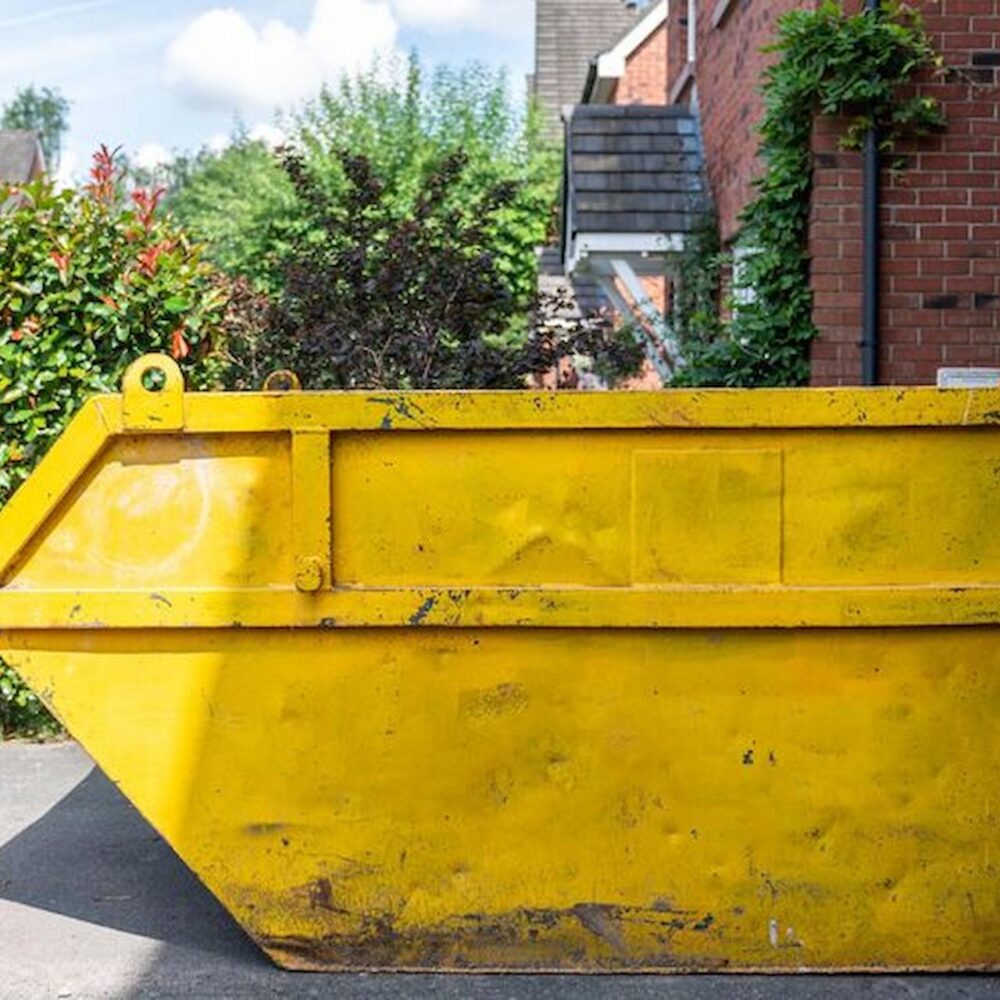
Handling waste during a home project or major clear-out can quickly feel unmanageable. Whether you are renovating, refreshing your garden, or simply clearing unwanted items, having a reliable disposal option is essential. This is where skip hire Richmond services offer a convenient and efficient solution, helping you manage large amounts of waste without the hassle of multiple trips to the local tip.

That said, hiring a skip is not always as simple as it appears. From selecting the right size to navigating local requirements, a few well-informed choices can save both time and money. The tips below will help you approach the process with confidence, making it easier, smoother, and more cost-effective.

Choose the Right Skip Size

One of the most common mistakes people make is selecting the wrong skip size. Hiring a skip that is too small may result in needing a second one, while an oversized skip means paying for unused capacity.

Think carefully about the type and volume of waste you expect. For smaller household clearances, a mini skip may suffice, while larger renovation projects often require builders’ skips or larger containers. If unsure, it is always better to discuss your needs with the provider rather than guessing.

Understand What You Can and Cannot Dispose Of

Not all waste can be placed in a skip. Items such as asbestos, certain chemicals, tyres, and electrical equipment may be restricted or require special handling.

Before hiring, check the provider’s guidelines on permitted waste. This prevents delays and potential fines. Being clear about what you plan to dispose of ensures the collection process runs smoothly without complications.

Plan the Placement Carefully

Where you place your skip matters more than you might think. Ideally, it should be positioned on private property, such as a driveway, to avoid additional permits.

If you need to place the skip on a public road, you may require a council permit. This can add both time and cost to your project. Planning ahead helps you avoid last-minute issues and ensures compliance with local regulations.

Avoid Overfilling the Skip

It may be tempting to maximise space by piling waste above the skip’s edges, but this can lead to problems. Overfilled skips are often refused collection due to safety regulations.

Keep waste level with the top edge of the skip. This not only ensures safe transport but also prevents additional charges or delays. Distributing waste evenly within the skip can help you make the most of the available space.

Schedule Delivery and Collection Strategically

Timing plays a key role in a stress-free experience. Arrange delivery for a time that aligns with the start of your project, rather than having the skip sit unused.

Similarly, avoid keeping the skip longer than necessary, as extended hire periods can increase costs. A well-planned schedule ensures you only pay for what you need while keeping your space organised throughout the project.

Separate Recyclable Materials

Taking the time to sort your waste can be beneficial both environmentally and financially. Many skip hire companies prioritise recycling and may offer better rates if waste is separated properly.

Materials such as wood, metal, and cardboard can often be processed more efficiently when not mixed with general waste. This small effort contributes to sustainability while potentially reducing disposal costs.

Compare Quotes and Services

Not all skip hire providers offer the same level of service or pricing. Comparing a few options allows you to find a balance between cost and reliability.

Look beyond the price alone. Consider factors such as delivery speed, customer support, and transparency in pricing. Hidden fees can quickly turn a seemingly cheap option into an expensive one. Reading reviews and asking clear questions can help you make an informed choice.

Be Mindful of Access and Space

Before the skip arrives, ensure there is enough space for delivery and collection vehicles. Narrow streets, low-hanging branches, or parked cars can create obstacles.

Clearing the area in advance prevents delays and ensures the skip can be placed exactly where you need it. This simple step can save time and avoid unnecessary frustration on delivery day.

Communicate Clearly with Your Provider

Good communication is key to avoiding misunderstandings. Be clear about your requirements, including the type of waste, preferred dates, and any specific placement instructions.

A reliable provider will guide you through the process and address any concerns. Establishing clear expectations helps ensure everything runs smoothly from start to finish.

Conclusion

Skip hire can be a straightforward and efficient solution when handled correctly. By choosing the right size, understanding restrictions, planning placement, and managing timing carefully, you can avoid common pitfalls and keep costs under control.

A thoughtful approach not only saves money but also reduces stress, allowing you to focus on completing your project. With the right preparation and a reliable service, waste management becomes a simple part of the process rather than a challenge.

Filed Under: Business Tagged With: Skip Hire

The Compliance Risks Fleet Managers Overlook

March 10, 2026 By James Beckett

fleet insurance

Fleet management often revolves around efficiency. Route optimisation, fuel control, maintenance schedules, driver productivity. Compliance tends to sit in the background until an audit, accident, or enforcement notice brings it forward.

Yet compliance risk in fleet operations does not usually arise from one dramatic failure. It develops quietly through overlooked details.

Below are areas where exposure commonly builds.

Driver Eligibility Monitoring

Fleet managers frequently check licences at the point of hiring. What follows is less consistent. Endorsements, penalty points, or temporary suspensions may occur after employment begins.

Without regular licence checks, an ineligible driver could operate a company vehicle unknowingly. If an incident occurs, insurers may question whether due diligence was maintained. Ongoing monitoring, not one-off verification, forms part of a compliant fleet structure.

Usage Classification Drift

Vehicle use can evolve over time. A van initially declared for “carriage of own goods” may later be used for additional activities, including subcontracted deliveries or specialist transport. If the insurance classification is not updated, cover may not reflect actual risk.

Fleet insurance policies depend on accurate usage disclosure. Even minor operational changes should trigger review. Overlooking this can lead to partial or rejected claims.

Maintenance Record Gaps

Scheduled servicing protects vehicles mechanically. It also protects the business legally. In the event of an accident linked to mechanical failure, incomplete maintenance records can raise liability concerns.

Fleet managers sometimes rely on informal tracking rather than documented systems. Missing service logs weaken defence positions during investigations. Consistent record-keeping demonstrates reasonable care.

Grey Fleet Exposure

Employees occasionally use personal vehicles for business purposes. This “grey fleet” arrangement carries compliance risk if personal motor policies do not include business use.

If an accident occurs during work activity, liability may shift toward the employer. Fleet managers should confirm that personal vehicles used for company tasks hold appropriate cover. Without this check, insurance assumptions may prove incorrect.

Vehicle Modification Disclosure

Racking systems, refrigeration units, specialist storage compartments, and telematics installations alter risk profiles. If modifications are added after policy inception without notification, insurers may challenge claims involving those components.

Fleet insurance depends on accurate vehicle specifications. Operational upgrades should always be disclosed.

Claims Reporting Delays

Compliance is not only about preventing incidents. It includes responding correctly when they occur. Delayed notification to insurers can complicate claims handling. Some policies impose strict reporting timelines.

Fleet managers focused on operational recovery may unintentionally delay formal reporting. Establishing internal reporting procedures reduces this risk.

Regulatory Overlaps

Roadworthiness, tachograph compliance, and driver working hours intersect with insurance obligations. Regulatory breaches can influence liability outcomes. If a driver exceeds permitted hours and causes an accident, insurers may scrutinise compliance systems.

Fleet insurance does not operate in isolation. It sits within a broader regulatory framework. Weakness in one area can affect protection in another.

Underinsurance Through Growth

As fleets expand, insured values may lag behind actual asset worth. New vehicles, upgraded models, or increased cargo capacity alter exposure. If policy limits remain static, businesses risk underinsurance.

Regular valuation review ensures that coverage matches fleet size and specification.

Inadequate Induction and Training

Insurance policies assume drivers operate vehicles competently and safely. Lack of structured training programmes can increase accident frequency and raise premium costs at renewal.

While training is not always a direct policy condition, it influences risk profile and claims history. A pattern of avoidable incidents can attract higher premiums or stricter terms.

Treating Insurance as Static

Perhaps the most overlooked risk is assuming fleet insurance requires minimal management after purchase. Fleet operations are dynamic. Routes change. Drivers change. Vehicles change.

Compliance requires continuous alignment between operations and policy structure. Annual renewal conversations should include operational updates, not just premium negotiation.

Fleet managers operate under pressure to control cost and maintain delivery performance. Compliance tasks may feel secondary. Yet overlooked details accumulate.

Fleet insurance protects against financial shock, but only when operational reality matches declared risk. Regular review, documented procedures, and proactive communication with insurers transform compliance from reactive defence into structured protection.

The cost of overlooking compliance rarely appears in advance. It becomes visible only when an incident tests the system. Proactive management prevents that test from becoming expensive.

Filed Under: Business Tagged With: fleet insurance

6 Ways Demolition Services Can Speed Up Your Construction Project

December 16, 2025 By James Beckett

Construction Project

Every construction project depends on a strong and well-prepared start. Before new work can begin, old structures often need to be cleared safely and efficiently. This is where professional demolition support plays a key role. When handled correctly, demolition sets the pace for the entire project and prevents costly delays later.

Rushing this stage without expertise often leads to setbacks. In contrast, a planned approach helps builders move forward with confidence. Below are six practical ways demolition work helps speed up construction timelines.

1. Faster Site Clearance From Day One

Professional demolition services are designed to clear sites quickly without unnecessary disruption. Teams work to a clear plan, removing unwanted structures in the right order. This avoids confusion and wasted time once construction begins.

With demolition services in place early, the site becomes ready for groundwork sooner. As a result, builders can start the next phase without waiting for clearance issues to be resolved.

2. Reduced Risk of Unexpected Delays

Old buildings often hide problems such as unstable walls or hidden materials. Experienced demolition services identify and manage these risks before they affect the wider project. This prevents sudden stoppages once construction is underway.

Using trusted demolition services also reduces the chance of safety incidents. Fewer disruptions mean schedules stay on track and progress remains steady.

3. Better Planning and Coordination

Demolition teams work closely with construction planners. This coordination ensures each stage follows smoothly. When demolition finishes on time, groundwork and building phases can start as planned.

Clear communication between teams removes guesswork. Everyone knows when the site will be ready, which supports faster decision-making and smoother workflows.

4. Efficient Waste Removal and Site Organisation

Construction sites slow down when waste piles up. Professional demolition teams manage debris removal as part of the process. Materials are cleared and sorted quickly, leaving a clean and organised site.

This efficiency helps construction teams work without obstacles. Clear access routes and open space improve productivity and reduce downtime.

Key benefits of organised site clearance include:

  • Easier movement for workers and equipment
  • Fewer safety concerns
  • Faster setup for the next phase

5. Improved Safety for Construction Teams

Safety issues cause delays. When demolition is done correctly, hazards are removed early. This creates a safer environment for builders and contractors.

A safe site allows teams to work confidently and efficiently. Fewer accidents mean fewer stoppages, inspections, and repairs that slow progress.

6. Strong Foundations for Faster Progress

Demolition is not just about removal. It prepares the ground for what comes next. Proper clearing ensures foundations can be laid without obstruction or rework.

When the base is ready, construction moves forward without interruption. This solid start supports quicker completion and better overall results.

Conclusion

Speed in construction begins with preparation. Professional demolition services play a vital role in setting the pace for success. By clearing sites efficiently, reducing risks, and supporting smooth planning, they help projects move forward without delay. Investing in expert demolition is not just about removal. It is about creating the right conditions for faster, safer, and more reliable construction outcomes.

Filed Under: Business Tagged With: Construction Project

Creating Memorable Events With Custom Inflatables

October 16, 2025 By James Beckett

Custom Inflatables

Tired of events that are forgotten the next day? It’s time to think bigger, bolder, and more interactive. Discover how custom inflatables are revolutionising brand activations, private parties, and public gatherings. From colossal brand mascots to enchanting themed arches, learn the secrets to creating truly unforgettable experiences that soar.

In the world of event planning, the battle for attention is fierce. You’re not just competing with other events; you’re competing with smartphones, busy schedules, and short attention spans. So, how do you create an experience that not only draws a crowd but leaves a lasting, positive impression? The answer is larger than life, interactive, and incredibly versatile. The answer lies in Custom Inflatables.

Custom inflatables are designed to make a statement, whether it’s an eye-catching entrance, a branded display, or a fun activity. They’re a unique way to engage guests, spark curiosity, and provide a memorable experience that traditional event setups simply can’t match. With endless design possibilities, inflatables can transform any event into something truly special. Today’s custom inflatables are sophisticated marketing tools and immersive experience enhancers, capable of transforming any space into a captivating destination. They are the wow factor that gets people talking, sharing, and, most importantly, remembering.

Why Go Custom? The Unbeatable Impact of Giant Branding

While standard inflatables have their place, custom creations offer a unique set of advantages that can elevate your event from good to legendary.

  • Unmatched Brand Visibility: A giant, beautifully rendered version of your product, logo, or mascot is impossible to ignore. It acts as a massive, three-dimensional billboard that can be seen from a distance, drawing foot traffic and creating a powerful visual anchor for your event.
  • The Ultimate Photo Opportunity: In the age of social media, creating “Instagrammable” moments is a non-negotiable part of event success. A unique, fun, or stunning custom inflatable becomes a backdrop that guests are eager to pose with, generating organic, user-generated content that spreads your brand’s reach far beyond the event walls.
  • Versatility for Any Occasion: The applications are nearly limitless. Whether it’s a corporate product launch, a community festival, a university welcome week, or an unforgettable wedding entrance, a custom design can be tailored to fit the exact theme and tone of your event.
  • Creating Interactive Experiences: Modern inflatables go far beyond static displays. Think obstacle courses, inflatable games, interactive LED tunnels, or even branded “bounce-and-sip” structures for adults. This interaction builds a deeper emotional connection with your audience.

Your Blueprint for Inflatable Success: From Concept to Inflation

Bringing a custom inflatable to life is an exciting process. Following these key steps will ensure the final product not only meets but exceeds your expectations.

1. Define Your Goal and Audience

Before you dream up designs, ask the critical questions:

  • What is the primary purpose? Is it for pure branding, guest entertainment, or to function as an activity centre?
  • Who is my audience? A design for a children’s charity event will look vastly different from one targeting professionals at a tech conference.
  • What is the key message or feeling I want to convey? (e.g., fun, innovative, luxurious, adventurous).

2. Unleash Your Creativity: The Design Phase

This is where the magic happens. Collaborate with your vendor to develop concepts that are both visually appealing and structurally sound.

  • Think Big and Bold: Simple, bold designs often appear more effective from a distance than overly complex ones.
  • Incorporate Key Brand Elements: Seamlessly integrate logos, brand colors, and mascots. The best Custom Inflatables feel like a natural and exciting extension of the brand itself.
  • Consider Function and Form: Decide if it will be a walk-through arch, a climbable sculpture, or a seated photo-op piece. The intended use will heavily influence the design.

3. Choose the Right Partner

Not all inflatable companies are created equal. Your choice of partner will make or break the project.

  • Look for Experience: Prioritise companies with a proven portfolio of custom work, not just stock items.
  • Review Their Process: A good partner will guide you through design, engineering, manufacturing, and logistics with clear communication.
  • Discuss Practicalities: Ensure they handle details such as permitting guidance, setup instructions, and safety standards.

Inspiring Applications: Where Custom Inflatables Shine

To spark your imagination, let’s explore a few scenarios where a custom solution creates unparalleled impact.

  • The Corporate Giant: Imagine launching a new sports car under a massive, inflatable replica of the vehicle. Or having a tech company’s app icon transformed into an interactive, LED-lit tunnel at a significant conference. The brand immersion is immediate and powerful.
  • The Festival Scene: A music festival can use a custom inflatable stage arch that matches its annual theme, creating an iconic entryway. A food festival could feature giant, bouncy replicas of its most popular dishes, such as a taco or a doughnut, for perfect photo opportunities.
  • The Personal Touch: For a private event like a wedding, a custom monogram or a giant, elegant inflatable sculpture that matches the wedding’s color scheme can create a breathtaking ceremony arch or a unique lounge area, making the day truly one-of-a-kind.

Actionable Tips for a Flawless Execution

To ensure your inflatable is a hit, keep these practical tips in mind.

  • Plan for Space and Power: Custom inflatables require adequate, flat space and a reliable power source for their blowers. Always confirm dimensions and power requirements with your vendor well in advance to ensure a seamless installation.
  • Secure It Safely: Proper staking or weighting is non-negotiable for safety, especially in outdoor environments. Your rental company should provide all necessary equipment and setup guidance.
  • Have a Weather Plan: Wind and rain can significantly impact operations. Have a contingency plan for sudden weather changes, which may include temporarily deflating the structure to prevent damage.
  • Promote It Ahead of Time: Build anticipation! Use social media to tease the arrival of your larger-than-life installation. This creates buzz and ensures guests arrive ready to engage.

The Final Word

In a crowded event landscape, the goal is to create a “you had to be there” moment. Custom inflatables deliver precisely that. They are a tangible expression of creativity and effort that tells your guests, clients, or community that you went the extra mile to create something special for them. They blend art, engineering, and marketing into a single, unforgettable experience.

By investing in a unique, interactive centrepiece, you’re not just filling space, you’re creating a landmark for your event and a cherished memory for your attendees. The fusion of brand storytelling and sheer fun is a guaranteed formula for success. If you’re ready to elevate your next event and leave a permanent mark on your audience’s memory, the most effective tool at your disposal is a visionary approach to Custom Inflatables.

Filed Under: Business

Next Page »

Primary Sidebar

Categories

  • Auto
  • Business
  • Career
  • Finance
  • Home Improvement
  • Law
  • Lifestyle
  • Personal Care
  • Real Estate
  • Technology
  • Travel
  • Uncategorized

Latest Posts

Packaging

How Small Businesses Can Use Packaging to Compete With Bigger Brands

For many small businesses, competing with larger brands can feel like an uphill battle. Bigger companies often have larger marketing budgets, wider distribution networks, and stronger brand recognition. However, one area where smaller businesses can level the playing field is packaging. Packaging is often the first physical interaction a customer has with a product. It […]

Virtual Offices

The Rise of Virtual Offices in Premium Perth Locations Like 197 St Georges Terrace

Businesses today seek smarter ways to establish a strong presence without heavy overheads. In Perth, the demand for flexible solutions has grown steadily as companies adapt to hybrid models and rising operational costs. Premium addresses in the central business district now offer professional credibility alongside practical support services. This shift reflects broader changes in how […]

Footer

About

Bahaical.org is the best online place run by a Bahai in Canada sharing his views on business trends, finance advise with detailed investment guides lifestyle tips.

Our Services

  • Business
  • Finance
  • Technology
  • Career

Recent Posts

  • How Small Businesses Can Use Packaging to Compete With Bigger Brands
  • The Rise of Virtual Offices in Premium Perth Locations Like 197 St Georges Terrace
  • Improving Water Quality with Advanced Purification Systems for Homes and Offices

Copyright © 2019-2026 A Bahai in Canada | Privacy Policy

We use cookies to ensure that we give you the best experience on our website. If you continue to use this site we will assume that you are happy with it.