• Skip to primary navigation
  • Skip to main content
  • Skip to primary sidebar
  • Skip to footer

Bahaical

  • Home
  • Finance
  • Marketing
  • Law
  • Career
  • Contact Me

Home Improvement

The Sneaky Plumbing Problems That Can Crash Your HVAC System

April 13, 2026 By James Eames

Plumbing Problems

Introduction

Most homeowners think of plumbing and HVAC systems as two completely separate parts of the home. One handles water, the other controls temperature. In reality, these systems are more connected than they seem—and when one starts to fail, the other often follows.

Small plumbing problems can quietly put stress on your heating and cooling system, leading to higher energy bills, reduced efficiency, and even costly breakdowns. Understanding these hidden connections can help you spot issues early and protect your home from expensive repairs.

How Plumbing and HVAC Systems Are Connected

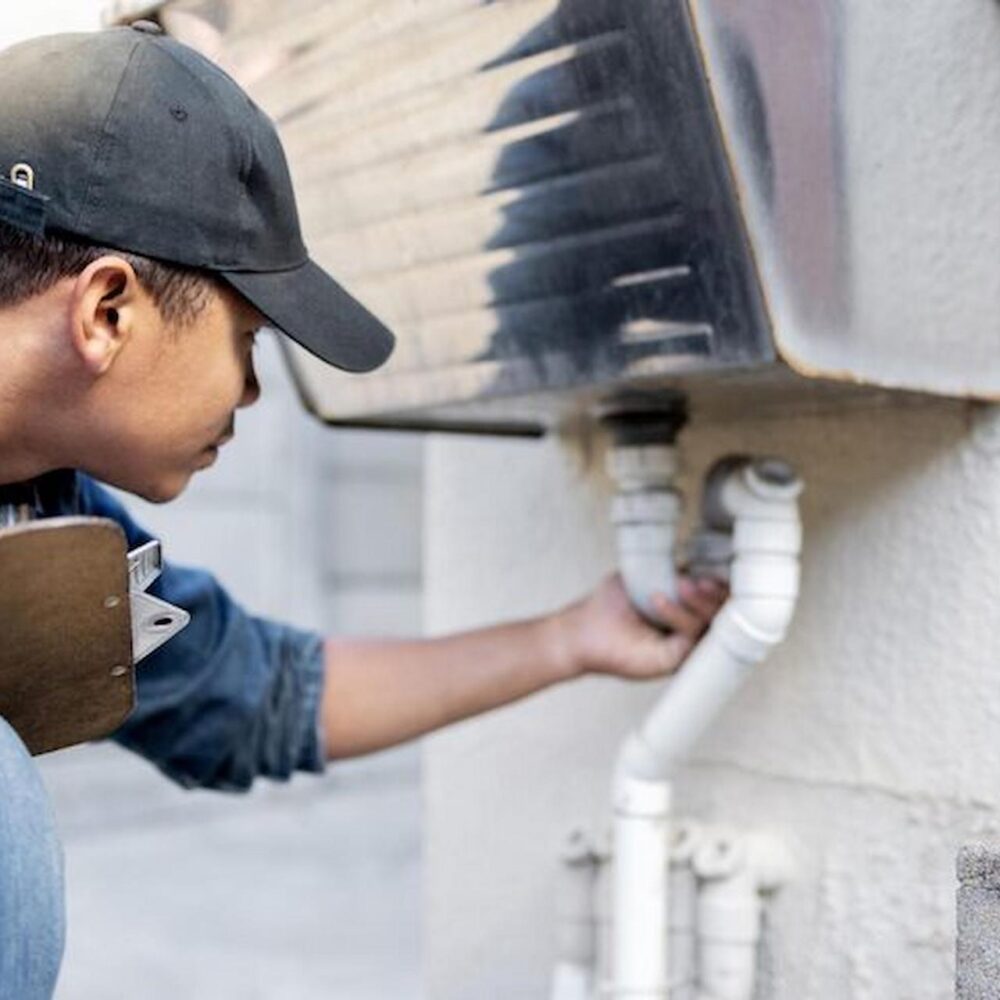
Your HVAC system relies on proper drainage, balanced humidity levels, and in some cases, water supply lines to function efficiently. Air conditioners, for example, produce condensation that must be drained away through pipes, which is why residential plumbing services play a crucial role in maintaining system performance. If those pipes fail, water can back up and damage internal components.

Similarly, excess moisture caused by plumbing leaks can force your HVAC system to work harder to maintain comfortable indoor conditions. Over time, this added strain reduces performance and shortens the lifespan of your equipment.

Clogged Drain Lines and Moisture Build-Up

One of the most common plumbing-related HVAC issues is a clogged condensate drain line. When your air conditioner removes humidity from the air, it produces water that needs to flow out safely. If the drain line becomes blocked, that water has nowhere to go.

This can lead to water pooling around the unit, damaging nearby components and even causing the system to shut down.

Warning Signs to Watch

  • Water collecting near your indoor HVAC unit
  • Musty or damp odours in your home
  • Reduced cooling performance
  • Frequent system shutdowns

Ignoring these signs can result in long-term damage that is far more expensive to fix than a simple cleaning.

Leaky Pipes That Increase Indoor Humidity

Leaking pipes—especially those hidden behind walls or under floors—can significantly increase indoor humidity levels. While this may seem like a minor issue, it directly affects how your HVAC system operates.

Air conditioners are designed to remove a certain amount of moisture from the air. When humidity levels rise due to plumbing leaks, your system has to work much harder to maintain the desired temperature.

Long-Term Effects

  • Increased energy consumption
  • Overworked HVAC components
  • Mold and mildew growth
  • Reduced indoor air quality

Over time, this constant strain can lead to premature system failure and higher maintenance costs.

Poor Water Pressure and HVAC System Efficiency

In homes with boilers or hybrid HVAC systems, water pressure plays a critical role in maintaining efficiency. If your plumbing system is experiencing low or inconsistent pressure, it can disrupt how these systems operate.

For example, uneven water flow can affect heat distribution, leading to cold spots in your home or inconsistent heating performance. While this issue often starts in the plumbing system, the impact is felt throughout your HVAC setup.

Frozen Pipes and HVAC Damage Risks

During colder months, frozen pipes can create serious problems for both plumbing and HVAC systems. When pipes freeze, they can burst, releasing water that may damage nearby HVAC equipment.

In addition, heating systems may struggle to operate efficiently if water flow is restricted. This can result in uneven heating, increased wear on system components, and higher energy usage.

Preventing frozen pipes is not just about avoiding plumbing repairs—it’s also about protecting your entire home’s comfort system.

When to Call a Professional Before It Gets Worse

Many homeowners wait until there is visible damage before calling for help. However, early intervention can prevent minor plumbing issues from turning into major HVAC failures.

If you notice persistent leaks, drainage problems, or unexplained humidity changes, it’s important to act quickly. Consulting professionals who specialise in residential plumbing services can help identify the root cause and resolve the issue before it affects your HVAC system further.

Regular inspections and preventative maintenance can save you from unexpected breakdowns and costly repairs down the line.

Preventative Tips to Protect Both Systems

Taking a proactive approach is the best way to avoid hidden damage. Simple maintenance habits can go a long way in keeping both your plumbing and HVAC systems running smoothly.

  • Schedule routine inspections for both systems
  • Clean condensate drain lines regularly
  • Fix leaks as soon as they appear
  • Monitor indoor humidity levels
  • Prepare pipes and HVAC units for seasonal changes

By addressing small issues early, you reduce the risk of larger, more expensive problems later.

Conclusion

Plumbing and HVAC systems may seem like separate parts of your home, but they are closely connected in ways that many homeowners overlook. Issues such as clogged drains, leaking pipes, and poor water pressure can quietly impact your HVAC system’s efficiency and lifespan.

Staying aware of these hidden risks allows you to take action before problems escalate. Whether it’s maintaining proper drainage, controlling humidity, or seeking expert help when needed, a proactive approach can protect both systems and keep your home comfortable year-round.

If you’re experiencing recurring issues or want peace of mind, working with experts in residential plumbing services can help ensure your plumbing and HVAC systems operate together efficiently and reliably.

Filed Under: Home Improvement

Choosing Reliable Well System Services for Long-Term Performance

April 10, 2026 By James Eames

Well System Services

For many homeowners across the United States, a private well system is more than just a utility; it is a lifeline that provides independence from municipal water supplies. Having a dedicated source of fresh water offers a sense of self-sufficiency, but it also places the full responsibility of maintenance and safety directly on the property owner. Unlike city water, which is monitored by local government agencies, your well requires a proactive management strategy to ensure that the water flowing from your taps remains clean, pressurized, and safe for consumption. When a well system is neglected, minor mechanical issues can quickly spiral into expensive structural failures or, worse, groundwater contamination.

The complexity of modern pumping technology means that DIY repairs are often risky and can inadvertently damage sensitive subterranean components. To maintain a consistent supply of high-quality water, it is essential to partner with a team of experts who specialize in comprehensive well system services. These professionals have the diagnostic tools necessary to evaluate pump health, pressure tank integrity, and water chemistry without guesswork. By establishing a relationship with a trusted service provider before an emergency occurs, you ensure that your system is optimized for longevity and that you have a reliable point of contact should the unthinkable happen.

The Anatomy of a High-Performing Well System

Understanding how your well functions is the first step toward effective long-term management. Most residential systems consist of several key components: the well casing, a submersible pump, a pitless adapter, and a pressure tank located inside the home. Each of these parts must work in perfect synchronization to deliver water at the correct volume and pressure. If the pump has to cycle too frequently because of a waterlogged pressure tank, it will burn out prematurely, leading to a significant repair bill.

Monitoring Pump Efficiency and Pressure

The heart of your setup is the pump. In a deep well system, this unit is located hundreds of feet below the surface. Monitoring its performance involves more than just checking for water flow; it requires measuring electrical “draw” and cycle times. A pump that is struggling against a clogged screen or a failing motor will consume more electricity, much like an unmaintained HVAC system during a summer heatwave. Regular professional oversight ensures that these subtle signs of wear are caught early, protecting your home comfort and your budget.

Protecting Water Quality and Safety

While mechanical reliability is vital, the biological and chemical safety of your water is paramount. Groundwater is susceptible to various contaminants, including runoff from nearby agricultural activity, high mineral content (hard water), and even naturally occurring elements like radon or arsenic. Because your well is an open straw into the earth’s aquifers, the integrity of the well cap and the surrounding grout is your first line of defense against surface contaminants.

Expert well system services include more than just mechanical fixes; they involve comprehensive water testing and filtration analysis. A professional can help you determine if you need a water softener to prevent mineral buildup in your pipes or a UV purification system to neutralize harmful bacteria. Maintaining your water quality is a continuous process, and having a specialist who understands the local geological conditions in Pennsylvania can make all the difference in achieving long-term health for your family.

Signs Your Well System Needs Immediate Attention

Most well failures do not happen overnight; they provide warning signs that are often ignored until the water stops flowing entirely. Being an observant homeowner can save you thousands of dollars in emergency drilling or pump replacement costs. If you notice any of the following symptoms, it is time to consult with a professional:

  • Sputtering Faucets: This often indicates air in the plumbing lines, which can be caused by a failing pump or a leak in the drop pipe.
  • Fluctuating Water Pressure: If the shower pressure drops significantly when someone flushes a toilet, your pressure tank or switch may be failing.
  • Cloudy or Discolored Water: A sudden change in clarity can indicate that the well screen is broken or that the water table has dropped.
  • Constant Pump Running: If you can hear your pump cycling even when no water is being used, you likely have a significant leak or a faulty check valve.
  • Unusual Tastes or Odors: “Rotten egg” smells or metallic tastes are signs of chemical changes in the aquifer that require immediate testing.

Improving Energy Efficiency through System Optimization

Much like modern energy-efficient HVAC systems, a well system can be optimized to reduce electricity consumption. Many older setups use “single-speed” pumps that run at full power every time they are engaged. Newer technology, such as Constant Pressure Systems (using Variable Frequency Drives), allows the pump to adjust its speed based on demand. If you are only running a single faucet, the pump runs slowly; if you are running the dishwasher and the lawn sprinklers simultaneously, it ramps up. This not only provides a city-like water experience but also significantly reduces the mechanical stress on the motor, extending the system’s lifespan.

Preventative Maintenance: The Key to Longevity

The best way to ensure long-term performance is through an annual “well-check.” During this visit, a technician will perform a flow test to determine the well’s yield, check the water level, and inspect the pressure switch and control box for signs of wear or insect infestation. They will also verify that the well cap is sanitary and securely attached. This proactive approach is the same logic used in home maintenance for heating and cooling units: a small investment in a tune-up prevents a catastrophic failure during the peak of the season.

Conclusion

A private well is a valuable asset that adds significant utility and independence to your property. However, its long-term performance is entirely dependent on the quality of care it receives. By prioritizing routine inspections, monitoring water quality, and choosing modern, energy-efficient components, you can ensure a steady supply of fresh water for decades. Don’t wait for a dry tap to think about your well; invest in professional maintenance today to protect your home’s most vital resource.

Filed Under: Home Improvement

Property Survey:Why It’s Essential Before Buying Land

March 6, 2026 By James Eames

Property

Buying land feels like the beginning of something great. Whether you plan to build a home, start a business, or invest for the future, the possibilities feel wide open. But before any of that can happen, there is one question you absolutely must answer. Do you really know what you are buying? Land can look straightforward on the surface and still carry serious hidden problems. A property survey Northampton is the tool that uncovers those problems before they become yours to deal with.

Too many buyers treat a survey as an optional extra. It is not. It is one of the most important steps in any land purchase, and skipping it can have costly and deeply stressful consequences. If you are considering buying land and want to understand what a professional assessment involves, a qualified property surveyor Northampton like https://www.michaelhornsby.co.uk/northampton-property-surveyor/ can walk you through the process clearly and honestly from the very first conversation.

The good news is that getting informed does not have to be complicated. Understanding why a survey matters, what it covers, and how it protects you is genuinely straightforward once it is explained properly. If you are ready to take the next step with confidence, speaking to a trusted Northampton property surveyor is the smartest place to start before you commit to any purchase.

What Is a Property Survey and What Does It Cover?

A property survey is a detailed inspection carried out by a qualified surveyor. Their role is to assess the land you intend to buy and produce a written report that reflects exactly what they find. This is not a visual check anyone can do on a Sunday afternoon viewing. It is a professional evaluation backed by training, experience, and technical knowledge.

For land purchases specifically, a survey typically covers several key areas. These include the exact boundaries of the plot, the condition of the ground, any access or rights of way, potential environmental risks, and factors that could affect your ability to develop or use the land in future. Each of these areas carries its own risks, and each one deserves proper attention before you sign anything.

The surveyor’s report becomes your roadmap. It tells you what is there, what matters, and what you need to think carefully about. That is an enormous amount of value for a relatively modest upfront cost.

The Hidden Risks That Only a Survey Can Reveal

Land rarely tells its own story. What looks like a clean, empty plot may have decades of history beneath it that only a trained professional can identify. These are the risks that catch unprepared buyers off guard, sometimes years after the purchase has completed.

Contaminated ground is one of the most serious concerns. Some land has previously been used for industrial, agricultural, or commercial purposes, which has left behind chemical or biological contamination. Cleaning contaminated land is extremely expensive. Without a survey, you would have no way of knowing this risk existed.

Ground instability is another issue that deserves serious attention. Parts of the UK sit above old mine workings, areas of unstable geology, or ground prone to subsidence. Building on such land without understanding the soil conditions can lead to structural failures that cost far more to fix than any survey would have.

Flooding risk catches many buyers by surprise. A plot may sit within or near a flood zone, which has direct implications for insurance, mortgage eligibility, and planning permission. A surveyor assesses this risk and reports it clearly so you can make an informed decision.

Drainage problems are also commonly missed during casual viewings. Poor natural drainage can make land unusable or very expensive to develop. A surveyor identifies these issues and helps you understand what remedial work, if any, would be required.

Boundaries, Access Rights, and Legal Complications

One of the most frequent sources of disputes in land purchases involves boundaries. What appears obvious on the ground does not always match the official title deeds. Fences shift over time. Hedges grow and move. Neighbours make assumptions. Without a formal check, you may be purchasing land whose legal boundaries differ significantly from its physical ones.

A surveyor compares the physical boundary against the recorded title plan and flags any discrepancies. This allows you to resolve boundary issues whilst you still have negotiating leverage — before you have parted with your money.

Access rights are equally critical. Consider the following scenarios that buyers encounter regularly:

  • The only vehicle access to the land crosses a neighbouring property, and no legal right of way exists.
  • A public footpath runs directly through the plot, restricting development options.
  • Historic access agreements are informal and undocumented, leaving future use uncertain.
  • A nearby landowner disputes the right to access a shared track or road.

Each of these situations can significantly affect the value and usability of the land. A thorough survey and the legal checks that accompany it bring all of this into the open before it is too late.

How a Survey Saves You Money

It is easy to see a survey as an added cost. The reality is that it almost always saves money, often by a significant margin. Here is how that works in practice.

When a surveyor identifies problems, their written report becomes a negotiating tool. You can return to the seller with clear evidence and request a price reduction that reflects the cost of remediation or risk. Sellers who want to complete the transaction will often negotiate. Those who will not are telling you something important.

Consider these common outcomes when buyers use survey findings during negotiation:

  • A contamination risk leads to a price reduction covering the estimated clean-up cost.
  • A boundary discrepancy results in a revised price or a legal resolution at the seller’s expense.
  • Drainage issues are factored into a lower agreed price before contracts are exchanged.
  • Flood risk assessment prompts a renegotiation that saves thousands over the life of the purchase.

In many cases, the savings achieved through negotiation far exceed the cost of the survey itself. That makes the survey not just a precaution but a genuinely profitable investment in its own right.

Which Type of Survey Do You Need?

The right type of survey depends on what you are buying and what you intend to do with the land. There is no single approach that fits every situation, which is why professional advice matters from the outset.

For undeveloped land, a boundary survey confirms the exact legal extent of the plot. This is essential whenever boundaries are unclear, disputed, or simply unverified against the title deeds.

If you plan to develop the land, a ground investigation survey is strongly advisable. This examines the soil and sub-surface conditions to determine whether the ground is suitable for construction. Without this information, architects and engineers cannot design foundations accurately.

An environmental search sits alongside the survey and checks for contamination history, flood risk, proximity to landfill sites, and other environmental factors. This gives a complete picture of the land’s condition and any constraints on its future use.

A qualified surveyor will advise you on exactly which combination of assessments suits your specific purchase. You do not need to work this out alone. That guidance is part of what you are paying for.

Why Local Expertise Makes a Real Difference

Not all surveyors bring the same knowledge to a job. Local expertise genuinely matters when assessing land, because ground conditions, planning environments, and historic land use vary significantly from one area to the next.

A surveyor who knows the Northampton area understands the specific challenges and patterns that arise locally. They know which types of ground conditions are common, which areas have industrial history, and how local planning policy is likely to affect development potential. That contextual knowledge adds real depth to any assessment.

Working with a local professional also means faster responses, easier communication, and a report grounded in genuine regional understanding. That is the kind of service that makes a meaningful difference when you are navigating one of the biggest purchases of your life.

What Happens If You Skip the Survey?

Some buyers decide to proceed without a survey, usually to save money or because they feel confident about what they are buying. This decision carries real risk, and the consequences when things go wrong can be severe.

Once contracts are exchanged and the purchase completes, the land is yours. Any problems that emerge after that point become your responsibility entirely. There is no recourse to the seller for issues that a survey would have revealed. The legal principle of buyer beware applies firmly in property transactions.

The financial consequences of discovering a major problem after completion can include:

  • Substantial remediation costs for contaminated ground.
  • Legal fees from boundary disputes that could have been resolved before purchase.
  • Redesigned development plans due to ground instability, adding significant cost and delay.
  • Insurance complications arising from undisclosed flood risk.

None of these outcomes are inevitable. All of them are preventable with a proper survey before completion.

Conclusion: Protect Your Investment Before You Commit

A property survey is not a formality. It is a fundamental act of due diligence that every land buyer should undertake without exception. It protects your money, informs your decisions, and gives you the confidence to proceed — or the evidence to walk away before it costs you dearly.

The risks of buying land without a survey are well documented and entirely avoidable. The cost of commissioning one is modest relative to the scale of the transaction. When you weigh those two things against each other, the answer is clear.

Do not leave one of the most significant financial decisions of your life to chance. Get the right professional advice, understand exactly what you are buying, and move forward with your eyes fully open.

Filed Under: Home Improvement Tagged With: Property

Ways a Radiator Can Lower My Heating Bills Without Replacing the Boiler

January 25, 2026 By James Eames

Radiator

Rising energy costs have made many households rethink how efficiently their heating systems work. While boilers often take the blame, radiators play a far bigger role than most people realise. Small, informed changes to radiator performance can noticeably reduce energy waste and improve comfort across the home.

Rethinking Heating Efficiency Beyond the Boiler

When heating bills increase, the boiler is often seen as the main culprit. In reality, even a modern boiler can underperform if the heat it produces is not distributed efficiently. Radiators are the final link in the heating chain, and improving how they release, direct, and retain heat plays a practical role in understanding how to lower heating bills without major system upgrades.

Radiators that respond quickly, emit heat evenly, and minimise losses allow rooms to reach target temperatures faster. This shortens boiler run times, reduces wasted energy, and supports more consistent indoor comfort across the home.

How Heat Output and Design Shape Energy Use

Not all radiators release heat in the same way. Traditional designs may rely heavily on convection, while modern models balance radiant and convective heat more effectively. Radiant heat warms people and surfaces directly, reducing the need to overheat the air.

Heat output is measured in watts or BTUs. When output aligns with room size, heating becomes more precise. Oversized radiators waste energy, while undersized units force longer boiler cycles.

Matching Radiator Output to Room Conditions

Room size, insulation quality, and window exposure all affect how much heat is required. When output matches demand, the heating system works efficiently rather than compensating for imbalance.

Faster Warm-Up Means Lower Energy Demand

One overlooked factor in heating efficiency is response time. Radiators made from materials that heat up quickly begin releasing warmth sooner after the system switches on. This shortens the period the boiler runs at high load.

According to energy efficiency studies, reducing warm-up time can lower heating energy use by up to 10% in regularly heated spaces. Over a full season, this contributes meaningfully to cost control without changing the boiler itself.

Heat Retention and Even Distribution Matter

Heat that escapes into walls or rises straight to the ceiling does little for comfort. Radiators designed to direct warmth forward into the room improve perceived temperature at lower thermostat settings.

Even distribution also reduces cold spots, which often prompt occupants to increase heating unnecessarily. Balanced heat output supports steadier indoor temperatures, helping households maintain comfort while learning practical ways of how to lower heating bills through better heat control rather than higher output.

Why Surface Area Influences Performance

Radiators with increased surface area transfer heat more efficiently to the room air. This allows the same warmth to be achieved with less energy input from the boiler.

Smarter Controls Amplify Radiator Efficiency

Radiator performance improves significantly when paired with modern controls. Thermostatic radiator valves (TRVs) regulate heat room by room, preventing unnecessary heating of unused spaces.

Data from UK housing energy assessments shows zoned heating can reduce space-heating costs by 8–12%. The radiators themselves become more efficient simply by responding intelligently to occupancy and usage patterns.

Managing Heat Loss Around Radiators

Heat loss often occurs behind radiators, especially on external walls. Simple measures can prevent warmth from escaping before it enters the room.

Common Sources of Inefficiency
  • Poor wall insulation behind radiators
  • Gaps allowing warm air to rise unused
  • Outdated radiator placement near draughts

Addressing these issues improves radiator effectiveness without touching the boiler, reinforcing practical approaches to how to lower heating bills using existing infrastructure.

Actionable Ways Radiators Can Reduce Heating Costs

Small, targeted improvements deliver the best results. Consider these practical steps:

  • Ensure radiator output matches room size and insulation levels
  • Use thermostatic radiator valves to avoid overheating unused rooms
  • Improve heat reflection and reduce losses behind external-wall radiators
  • Maintain radiators regularly to prevent air build-up and uneven heating
  • Optimise placement to support natural heat circulation

Each step focuses on efficiency rather than replacement, helping households control costs sustainably.

The Long-Term Impact of Efficient Radiator Performance

Heating systems function as an ecosystem. When radiators operate efficiently, boilers experience less strain and fewer prolonged cycles. This not only reduces fuel use but can also extend system lifespan.

Over time, improved radiator performance contributes to steadier energy consumption, fewer temperature fluctuations, and better overall comfort. The financial benefits compound season after season without the disruption of major upgrades.

Closing Statement

Improving radiator efficiency is one of the most practical ways to manage household heating costs. Without replacing the boiler, thoughtful attention to radiator design, placement, and control can transform how heat is used across the home. Faster warm-up times, better heat direction, and reduced losses all mean the boiler works less to achieve the same comfort.

For homeowners seeking realistic answers to how to lower heating bills, radiators offer an often-overlooked opportunity. By aligning heat output with room needs, using intelligent controls, and addressing inefficiencies, energy waste falls naturally. These changes are accessible, cost-effective, and adaptable to most homes.

Rather than focusing solely on large-scale replacements, taking a closer look at radiator performance encourages smarter heating habits. The result is a warmer home, more predictable energy use, and meaningful savings that continue year after year—without unnecessary complexity or disruption.

Filed Under: Home Improvement Tagged With: Radiator

Window Installers Guide: What to Expect from Installation to Aftercare

January 20, 2026 By James Eames

Window Installers

Choosing the right window installers Watford is an important decision for any homeowner. New windows improve comfort, security, and energy efficiency. However, the process can feel unclear if you have never arranged window installation before. This guide explains each stage in simple terms, from early planning to long-term aftercare.

This Window Installers Guide: What to Expect from Installation to Aftercare is written to help you feel informed and confident. It reflects real experience, industry standards, and what reputable installers in Watford typically offer.

Understanding the Role of Window Installers in Watford

Professional window installers handle more than just fitting glass and frames. Their work starts well before installation day and continues long after the tools are packed away.

A reliable installer will:

  • Assess your property carefully
  • Help you choose suitable window styles
  • Measure accurately
  • Install safely and cleanly
  • Provide guidance on care and maintenance

Local knowledge also matters. Installers familiar with Watford understand common property types, planning expectations, and weather conditions in Hertfordshire.

Initial Consultation and Property Assessment

The process usually begins with a home visit. During this stage, the installer looks at your existing windows and listens to your needs.

They may discuss:

  • Window condition and age
  • Heat loss and noise issues
  • Security concerns
  • Design preferences
  • Budget range

Measurements are taken carefully. Accurate measuring prevents gaps, draughts, and fitting problems later. A written quote should follow, outlining costs, timescales, and what is included.

Choosing the Right Windows for Your Home

Selecting windows is not only about appearance. Practical factors are just as important.

Common options include:

  • uPVC windows for durability and low upkeep
  • Aluminium frames for a slim, modern look
  • Timber windows for traditional homes

You may also choose:

  • Double or triple glazing
  • Different opening styles
  • Frosted or safety glass

Good installers explain options clearly without pressure. They focus on what suits your home rather than pushing costly extras.

Preparing for Installation Day

Once you agree to proceed, the installer schedules the work. Preparation helps everything run smoothly.

Before installation:

  • Clear space around windows
  • Remove curtains and blinds
  • Protect nearby furniture

Installers usually bring dust sheets and protective covers. They should also explain how long the work will take and whether you need to be at home.

What Happens During the Installation Process

On installation day, the team arrives with tools and materials ready. Old windows are removed carefully to avoid damage to walls and frames.

The process typically includes:

  • Safe removal of existing windows
  • Checking the opening condition
  • Fitting and securing new frames
  • Installing glass panels
  • Sealing edges to prevent draughts

Each window is tested to ensure it opens and closes properly. A professional team works methodically and keeps disruption to a minimum.

Quality Checks and Finishing Touches

After fitting, installers carry out checks to confirm everything meets standards. This stage is vital for long-term performance.

They should:

  • Inspect seals and fixings
  • Check locking systems
  • Clean frames and glass
  • Remove waste materials

You may receive certificates for compliance and warranties. These documents are important for insurance and future property sales.

Aftercare and Ongoing Support

Aftercare is a key part of a quality service. Reputable window installers Watford remain available if issues arise.

Aftercare often includes:

  • Guidance on cleaning and care
  • Advice on ventilation
  • Warranty support
  • Follow-up visits if needed

This Window Installers Guide: What to Expect from Installation to Aftercare highlights that good service does not end on installation day. Ongoing support shows professionalism and accountability.

How to Maintain Your New Windows

Simple maintenance keeps windows working well for years.

Best practices include:

  • Wiping frames regularly with mild soap
  • Keeping hinges and locks clean
  • Checking seals for wear
  • Avoiding harsh cleaners

With basic care, modern windows remain secure, weather-tight, and attractive.

Signs You Chose the Right Installer

A successful project leaves you confident in your choice.

Positive signs include:

  • Clear communication throughout
  • Work completed on schedule
  • Clean and tidy finish
  • Proper documentation provided

If installers explain each step clearly and respond promptly to questions, it reflects experience and trustworthiness.

Final Thoughts

Working with skilled window installers in Watford ensures your home benefits from improved comfort, safety, and efficiency. Understanding the full journey—from planning to aftercare—helps you make informed decisions and avoid surprises.

This guide is designed to give clarity, reduce stress, and support homeowners seeking reliable, professional window installation services.

Filed Under: Home Improvement

Affordable Skip Hire in Hemel Hempstead: Clear Your Waste Fast!

November 10, 2025 By James Eames

Skip Hire

Keeping your home, garden, or business clean can sometimes feel like an endless task. Whether you are renovating a property, managing a construction site, or decluttering your home, finding an efficient way to dispose of waste is essential. Skip hire in Hemel Hempstead provides a quick, affordable, and eco-friendly solution for waste removal, helping residents and businesses clear their spaces without hassle.

Why Skip Hire Is the Smart Choice

Hiring a skip is one of the most convenient ways to handle large volumes of waste. Instead of making repeated trips to the local recycling centre, you can have a skip delivered right to your doorstep. Once it’s filled, professionals will collect it and ensure proper disposal. This saves both time and energy while ensuring your waste is handled responsibly.

Reliable Skip Hire in Hemel Hempstead

Choosing a trusted skip hire Hemel Hempstead company makes the process straightforward and efficient. From small mini skips for home clean-ups to large industrial skips for commercial projects, there’s an option for every need. Most companies offer flexible hire durations, same-day delivery, and competitive pricing to suit every budget.

With skip hire Hemel Hempstead, you can also rest assured that most of your waste will be recycled. Local providers often prioritise environmentally friendly disposal methods, reducing landfill waste and supporting sustainability efforts in the community.

Types of Skips Available

Different projects require different skip sizes. Mini skips are ideal for domestic use, such as clearing out a garage or disposing of garden waste. Midi skips are suitable for small renovation jobs, while builder’s skips can handle construction debris. For large-scale commercial waste management, roll-on-roll-off skips offer maximum capacity and convenience.

Understanding the right size before booking helps you save money and ensures your project runs smoothly. Most local providers are happy to recommend the best skip size based on your requirements.

Benefits of Hiring a Skip

Skip hire offers a range of advantages beyond simple waste removal. It helps maintain a clean and safe environment by preventing rubbish from piling up on-site. Having a skip nearby also reduces the risk of accidents caused by scattered debris. Moreover, professional skip hire companies are licensed waste carriers who follow strict disposal regulations, ensuring your waste is handled legally and ethically.

For households, it simplifies tasks such as spring cleaning, moving house, or landscaping projects. For businesses, it improves site organisation and compliance with waste management laws.

Eco-Friendly Waste Management

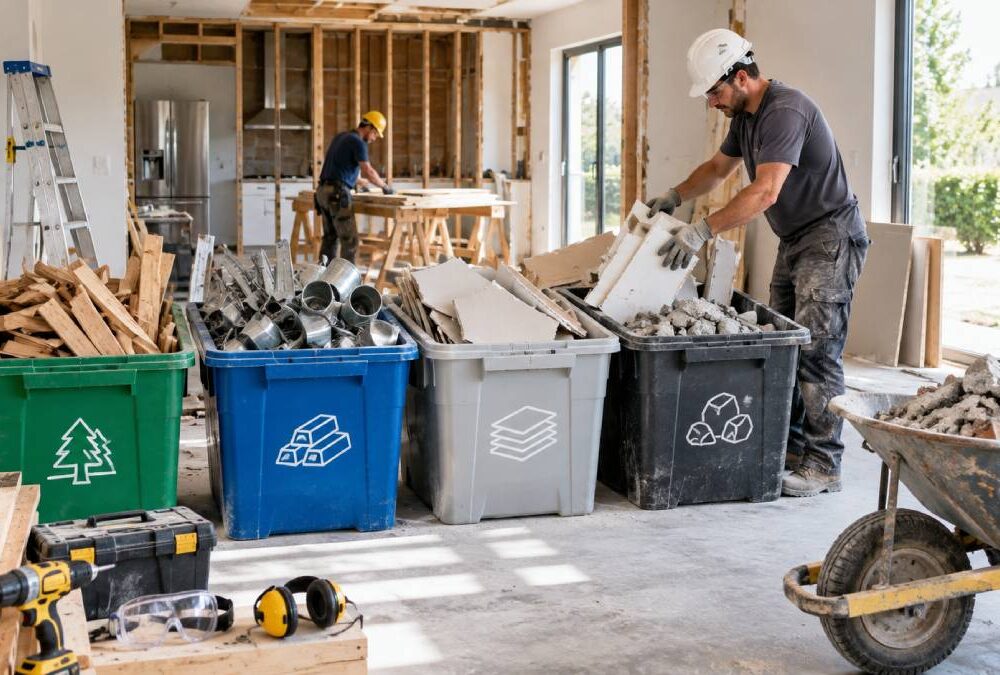
Modern skip hire companies focus strongly on sustainability. Instead of dumping everything into landfills, they separate materials for recycling and recovery. Items such as wood, metal, plastic, and concrete are processed responsibly to reduce environmental impact. This means that choosing skip hire supports not only your convenience but also the environment.

Many companies in Hemel Hempstead now operate recycling centres and partner with waste processing facilities to ensure minimal landfill contribution. This approach aligns with the UK’s ongoing efforts to promote greener waste management solutions.

How to Choose the Right Skip Hire Service

Selecting the right skip hire company involves more than just price comparison. Look for a provider with transparent pricing, valid waste carrier licenses, and positive customer reviews. Local experience also matters—companies familiar with Hemel Hempstead’s waste disposal regulations can handle permits and restrictions efficiently, particularly for skips placed on public roads.

A reliable provider will also deliver and collect on time, preventing delays in your project. They should offer clear guidance on what materials are acceptable and provide advice on safe loading practices.

Cost Factors and Money-Saving Tips

Skip hire prices depend on several factors, including skip size, rental duration, and type of waste. General household waste tends to be cheaper than heavy materials like bricks or soil. Booking in advance and comparing quotes from multiple local firms can help secure better rates.

It’s also wise to avoid overfilling the skip, as companies may charge extra for unsafe loads. Always choose a skip size slightly larger than you think you’ll need—this often saves money in the long run by avoiding the need for an additional skip.

Common Uses for Skip Hire

Skip hire is versatile and suitable for a range of projects. Homeowners use skips during garden clean-ups, kitchen refurbishments, or garage clear-outs. Builders rely on them for debris and rubble removal, while commercial clients use them for managing office renovation waste or warehouse clearances.

Events, festivals, and local clean-up drives also benefit from temporary skip hire. The convenience of on-site waste collection allows organisers to maintain cleanliness and comply with disposal regulations effortlessly.

Legal and Safety Considerations

It’s important to remember that placing a skip on a public road may require a permit from the local council. Most skip hire companies can arrange this on your behalf. You should also ensure that hazardous materials—like asbestos, chemicals, or batteries—are not placed in general skips, as they require special disposal methods.

For safety, always load heavy items first and distribute weight evenly. Avoid overfilling, as it can make transportation dangerous and lead to fines or extra charges.

Why Local Expertise Matters

Using a local skip hire service in Hemel Hempstead ensures faster delivery and collection. Local providers understand the area’s waste management infrastructure, road access, and disposal facilities. They also contribute to the local economy and maintain community-focused services, which often translates into better customer care.

Choosing a local business can also reduce the carbon footprint of transport, aligning with environmentally conscious waste management practices.

Final Thoughts

Skip hire offers a practical, efficient, and affordable solution for managing waste from homes, offices, and construction sites. By working with a reputable local provider, you can ensure your waste is disposed of responsibly while saving time and effort. Whether it’s a small domestic project or a large commercial task, professional skip hire in Hemel Hempstead guarantees quick, safe, and eco-friendly results.

Filed Under: Home Improvement

Next Page »

Primary Sidebar

Categories

  • Auto
  • Business
  • Career
  • Finance
  • Home Improvement
  • Law
  • Lifestyle
  • Personal Care
  • Real Estate
  • Technology
  • Travel
  • Uncategorized

Latest Posts

Skip Hire

7 Tips for Stress-Free Skip Hire in Richmond (And How to Save Money)

Handling waste during a home project or major clear-out can quickly feel unmanageable. Whether you are renovating, refreshing your garden, or simply clearing unwanted items, having a reliable disposal option is essential. This is where skip hire Richmond services offer a convenient and efficient solution, helping you manage large amounts of waste without the hassle […]

Plumbing Problems

The Sneaky Plumbing Problems That Can Crash Your HVAC System

Introduction Most homeowners think of plumbing and HVAC systems as two completely separate parts of the home. One handles water, the other controls temperature. In reality, these systems are more connected than they seem—and when one starts to fail, the other often follows. Small plumbing problems can quietly put stress on your heating and cooling […]

Footer

About

Bahaical.org is the best online place run by a Bahai in Canada sharing his views on business trends, finance advise with detailed investment guides lifestyle tips.

Our Services

  • Business
  • Finance
  • Technology
  • Career

Recent Posts

  • 7 Tips for Stress-Free Skip Hire in Richmond (And How to Save Money)
  • The Sneaky Plumbing Problems That Can Crash Your HVAC System
  • Choosing Reliable Well System Services for Long-Term Performance

Copyright © 2019-2026 A Bahai in Canada | Privacy Policy

We use cookies to ensure that we give you the best experience on our website. If you continue to use this site we will assume that you are happy with it.