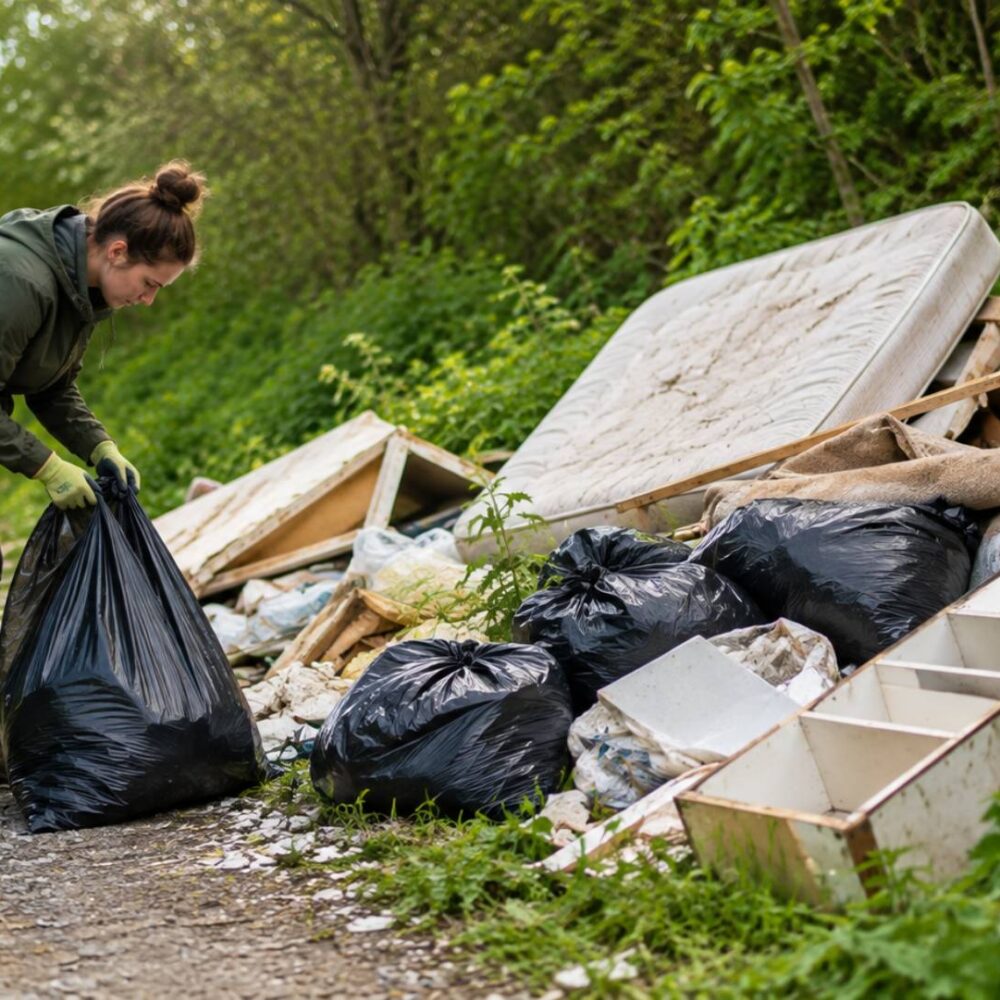
Fly-tipping can create serious safety, environmental and legal problems for residents, landlords, businesses and landowners. Whether the dumped material consists of household rubbish, building debris or hazardous items, it must be handled carefully and through the correct channels.
Assess the Waste Without Disturbing It
Do not touch, open or move dumped waste until you understand what it may contain. Fly-tipped material can conceal broken glass, sharp metal, asbestos, chemicals, clinical waste or unstable objects.
Keep children and animals away from the area. If the waste is causing an immediate danger, such as blocking a road or leaking an unknown substance, contact the appropriate emergency or local authority service.
When seeking fly tip waste removal West London, provide photographs and a clear description of the waste without placing yourself at risk. This information can help the council or removal company determine what equipment, vehicles and safety measures will be required.
Record Useful Evidence Safely
Photograph the waste from a safe position before anything is removed. Capture the overall site, the approximate volume and any visible identifying information, such as business details on packaging or a vehicle registration number.
Record the location, date and time you discovered it. If you witnessed the dumping, note what happened while the details remain fresh. Never confront suspected fly-tippers or follow their vehicle, as this could place you in danger.
Avoid searching through rubbish for evidence. Disturbing potentially hazardous materials is unsafe and could interfere with an investigation.
Report Fly-Tipping to the Correct Authority
Fly-tipping on public land, roads or council-maintained spaces should usually be reported to the relevant local council. Most councils provide an online reporting form where you can upload photographs and location details.
Waste dumped on private property remains the landowner’s responsibility to remove, although the incident should still be reported. The council may investigate, but it is not normally required to clear rubbish from privately owned land.
Serious incidents involving organised waste crime, large quantities of material or hazardous waste may also be reported to the Environment Agency. Use emergency services only when there is an immediate risk to people or public safety.
Understand Your Legal Responsibilities
Landowners, landlords and businesses have a duty to ensure controlled waste is transferred to an authorised person. Hiring an unregistered collector can result in waste being dumped elsewhere, potentially exposing the person who arranged the collection to penalties.
Before booking fly tip waste removal West London, check that the contractor is registered as a waste carrier with the Environment Agency. Ask for the registration number and verify it through the official public register rather than relying solely on a logo or statement displayed on a vehicle.
Businesses should also obtain the appropriate waste transfer documentation. Keep invoices, transfer notes and photographs as evidence that the material was handled correctly.
Arrange Safe Professional Removal
Professional help is advisable when the waste is bulky, heavy, mixed or potentially hazardous. Give the contractor accurate information so they can quote properly and identify whether specialist handling is required.
A written quotation should explain:
- Labour, loading and transport charges
- The types and estimated volume of waste covered
- Any additional hazardous-material fees
- Disposal or recycling arrangements
- Whether documentation will be supplied
Be cautious of unusually cheap cash-only offers. Legitimate disposal carries transport, labour and facility charges, so a price far below other quotations may indicate irresponsible handling.
Prioritise Recycling and Responsible Disposal
Ask how the contractor sorts and processes collected materials. Wood, metal, soil, aggregates, cardboard and some plastics may be recovered or recycled, reducing the amount sent to landfill.
Hazardous materials require licensed facilities and must not be mixed with general rubbish. Electrical equipment, batteries, chemicals, tyres and asbestos may each follow different disposal routes.
Prevent Further Dumping
Once the area has been cleared, consider improving lighting, installing secure gates or barriers, repairing fencing and restricting vehicle access. Visible signs and monitored CCTV may also discourage repeat incidents, provided any surveillance complies with data protection requirements.
Businesses and property managers should inspect vulnerable areas regularly. Prompt reporting and removal can prevent a small dumping site from attracting further waste.
Conclusion
Fly-tipped rubbish should be approached cautiously, documented safely and reported through the correct channels. Using a verified waste carrier, keeping appropriate records and prioritising responsible disposal will protect people, property and the environment while reducing the risk of further legal or financial problems.