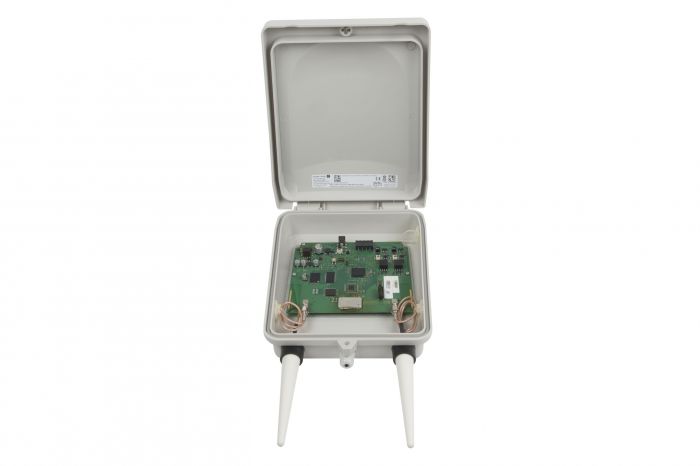
Electronic systems are now used in places that were once considered unsuitable for sensitive equipment. Outdoor installations, industrial plants, transport hubs, and utility sites all rely on electronics to operate safely and efficiently. These environments are harsh. Rain, dust, humidity, vibration, and temperature changes are constant challenges. As a result, proper housing is not optional. It is essential.
This is where Waterproof Electronic Enclosures for Outdoor & Industrial Use play a critical role. They protect vital equipment from damage, reduce downtime, and support long-term performance in demanding conditions. Purpose-built solutions, such as those found at https://www.gttwireless.com/enclosures/, are designed specifically to meet these environmental challenges.
Why Protection Matters in Outdoor and Industrial Settings
Outdoor and industrial locations expose electronics to conditions that can quickly cause failure. Water can enter small gaps and lead to corrosion. Dust can block airflow and cause overheating. Over time, even minor exposure can affect accuracy, safety, and reliability.
A single failure can stop operations, disrupt services, or create safety risks. Therefore, reliable enclosure systems are a core part of modern infrastructure. They act as a barrier between delicate electronics and the surrounding environment.
Understanding the Role of Enclosures
An enclosure is more than a box. It is a protective system designed to shield electronic components while allowing them to function correctly. Good enclosures protect against water, dust, and impact. They also support cable routing, access control, and heat management.
In outdoor and industrial use, the enclosure must perform consistently. It must protect equipment during heavy rain, high humidity, or dusty conditions. This reliability is what makes enclosure selection so important.
Standards That Define Waterproof Protection
Before choosing an enclosure, it is important to understand recognised protection standards. These standards help users compare products and select the right level of defence.
Many professionals refer to a waterproof electronics enclosure, ip67 enclosures, or NEMA6 Enclosures when selecting protection. These standards describe how well an enclosure resists water and dust. They are widely used across industries to ensure consistent performance and safety.
When discussing Waterproof Electronic Enclosures for Outdoor & Industrial Use, these ratings provide confidence that the enclosure can handle real-world conditions without compromising internal components.
Materials Used in Waterproof Enclosures
Material choice directly affects durability and performance. Enclosures are commonly made from plastic, metal, or coated materials. Each option serves a specific purpose.
Plastic enclosures are lightweight and resist corrosion. They are suitable for many outdoor applications. Metal enclosures provide extra strength and are often used in industrial environments where impact resistance is important. Coated surfaces add protection against moisture and wear.
Regardless of material, quality seals are essential. Without proper sealing, even strong materials cannot prevent water or dust entry.
Design Features That Improve Reliability
A well-designed enclosure protects equipment without making maintenance difficult. Doors, panels, and seals must close tightly. At the same time, technicians need safe and controlled access for inspection or repair.
Cable entry points are a common risk area. Poor design here can allow water to enter. High-quality enclosures use sealed openings and thoughtful layouts to reduce this risk.
Ventilation is another key factor. Electronics generate heat, and trapped heat can reduce lifespan. Enclosures must balance airflow while keeping water and dust out.
Where These Enclosures Are Commonly Used
Waterproof enclosures are used across many sectors. Outdoor lighting systems rely on them to protect control units. Industrial automation systems use them to house sensors and controllers. Transport networks depend on them for signalling and monitoring equipment.
Utilities, construction sites, and renewable energy systems also rely on strong enclosure solutions. In each case, protection ensures stable operation and reduces maintenance needs.
In these settings, professionals often evaluate waterproof electronics enclosure, ip67 enclosures, or NEMA6 Enclosures before committing to a solution. This careful selection supports compliance and performance.
Long-Term Benefits of Proper Enclosure Selection
Choosing the right enclosure brings long-term advantages. Equipment lasts longer. Maintenance costs are reduced. Unexpected failures become less frequent. These benefits directly support operational efficiency.
Strong enclosures also protect investment. Electronic equipment can be expensive. Housing it properly reduces the risk of early replacement. Over time, this leads to significant cost savings.
In addition, proper protection supports safety. Electrical faults caused by water or dust can create hazards. Preventing exposure reduces these risks and supports safer working environments.
Maintenance and Inspection Considerations
Even the best enclosure needs regular checks. Seals can wear out. Fasteners may loosen. Environmental exposure can take its toll.
Routine inspection helps catch issues early. Simple actions such as checking seals, cleaning external surfaces, and confirming closures remain secure can extend enclosure life. Preventive care ensures continued protection without disruption.
Conclusion
Waterproof enclosures are a vital part of modern outdoor and industrial electronic systems. They protect sensitive equipment from water, dust, and environmental stress. Without them, reliability and safety are at risk.
By selecting the right materials, understanding protection standards, and maintaining enclosures properly, organisations can ensure consistent performance. Waterproof Electronic Enclosures for Outdoor & Industrial Use are not just protective shells. They are essential tools that support efficiency, safety, and long-term value in demanding environments.