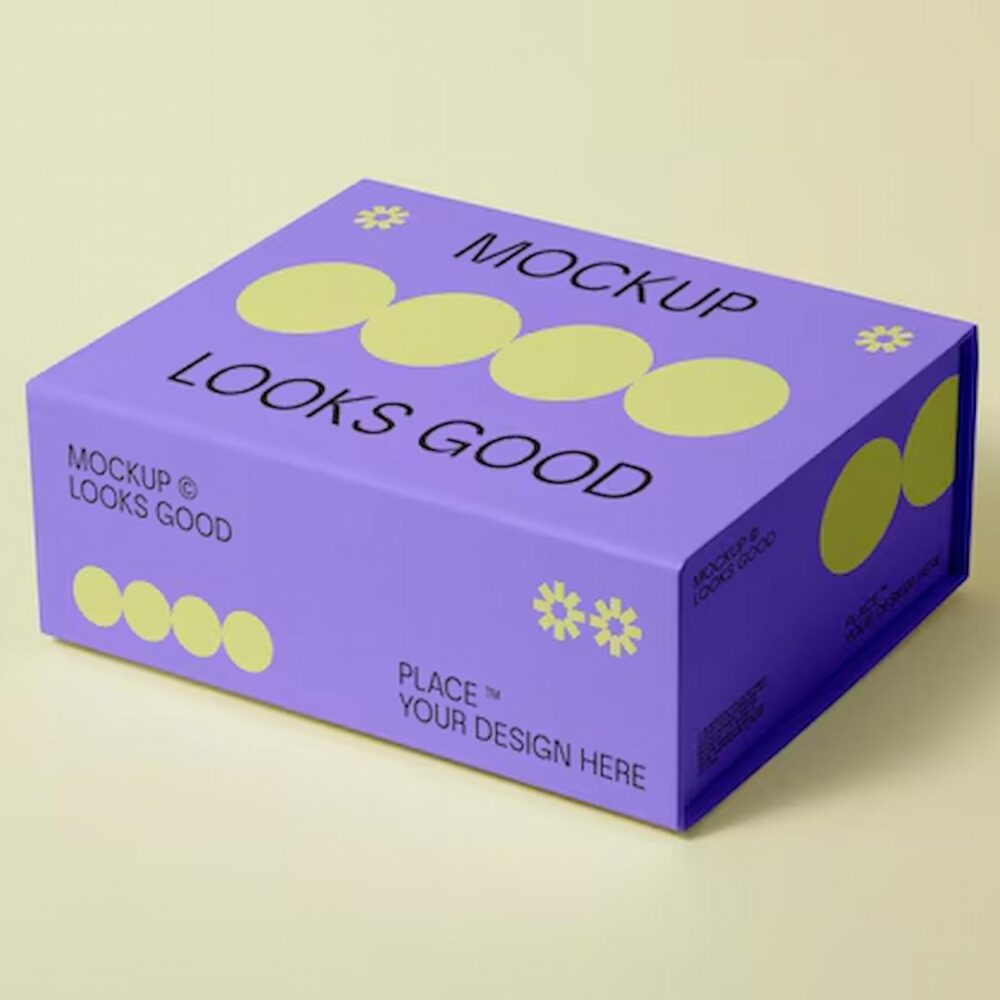
For many small businesses, competing with larger brands can feel like an uphill battle. Bigger companies often have larger marketing budgets, wider distribution networks, and stronger brand recognition. However, one area where smaller businesses can level the playing field is packaging.
Packaging is often the first physical interaction a customer has with a product. It influences perception, creates memorable experiences, and helps communicate a brand’s identity. When used strategically, thoughtful packaging can help small businesses stand out, build loyalty, and leave a lasting impression that rivals much larger competitors.
First Impressions Matter More Than Ever
In today’s retail and e-commerce environment, customers are constantly exposed to products and advertisements. As a result, grabbing attention has become increasingly challenging.
Packaging provides an opportunity to make a strong first impression. A well-designed package can communicate professionalism, quality, and attention to detail before the customer even uses the product.
Many small businesses source customised packaging solutions from suppliers such as the printed bag shop to create packaging that reflects their brand personality. Whether it’s printed bags, branded boxes, or customised wrapping, consistent visual presentation helps businesses appear more established and memorable.
Customers often associate attractive packaging with higher product quality. Even simple design improvements can significantly influence purchasing decisions and brand perception.
Building a Strong Brand Identity
Large brands invest heavily in creating recognisable identities. Small businesses can achieve similar results by ensuring their packaging consistently reflects their values, style, and messaging.
Elements such as colours, logos, typography, and packaging materials should work together to create a cohesive brand experience. Consistency across all packaging helps customers recognise a business instantly, whether they encounter the product online, in-store, or through social media.
When customers repeatedly see the same visual identity, familiarity grows. Over time, this familiarity can lead to trust, which is often one of the most important factors in purchasing decisions.
Creating a Memorable Unboxing Experience
The rise of online shopping has transformed packaging from a practical necessity into a valuable marketing tool.
Customers increasingly share purchases on social media, particularly when the packaging feels special or unexpected. A thoughtful unboxing experience can encourage customers to post photos, videos, and reviews, providing valuable word-of-mouth exposure.
Simple additions can make a significant difference:
- Personalised thank-you notes
- Branded tissue paper
- Custom stickers
- Attractive printed bags
- Sustainable packaging materials
These details help create a positive emotional connection with customers and can increase the likelihood of repeat purchases.
Using Packaging to Tell Your Story
One advantage small businesses often have over larger competitors is authenticity.
Customers increasingly want to know who they are buying from and what values a business represents. Packaging can be an effective platform for sharing that story.
Businesses can use packaging to communicate:
- Their origins and mission
- Craftsmanship and production methods
- Sustainability commitments
- Community involvement
- Product care instructions
These messages help humanise the brand and create stronger customer relationships. People are often more inclined to support businesses they feel connected to on a personal level.
Standing Out Through Sustainability
Sustainability has become an important consideration for many consumers. Packaging choices can play a significant role in demonstrating environmental responsibility.
Small businesses do not necessarily need expensive solutions to make a positive impact. Recyclable materials, reusable packaging, and reduced waste can all contribute to a more environmentally conscious brand image.
Clear communication about sustainability efforts also matters. Customers appreciate transparency and are more likely to support businesses that actively work to reduce their environmental footprint.
When packaging aligns with customer values, it can become a competitive advantage rather than simply a functional necessity.
Enhancing Perceived Value
Packaging can significantly influence how customers perceive the value of a product.
A product presented in professional, attractive packaging often feels more premium, even when the actual product remains unchanged. This perception can justify pricing, increase customer satisfaction, and strengthen brand positioning.
Small businesses should focus on quality rather than complexity. Clean design, durable materials, and thoughtful presentation often create a stronger impression than overly elaborate packaging.
Many successful independent brands use simple but carefully executed packaging to communicate quality and professionalism.
Encouraging Customer Loyalty
Customer retention is often more cost-effective than constantly acquiring new customers. Packaging can play an important role in encouraging repeat business.
Positive packaging experiences contribute to overall customer satisfaction. When customers feel valued, they are more likely to return and recommend the business to others.
Branded packaging sourced from providers like the printed bag shop can help create consistency across every customer interaction, reinforcing brand recognition and professionalism over time.
Even small touches, such as personalised messages or loyalty incentives included within packaging, can strengthen customer relationships and encourage future purchases.
Maximising Marketing on a Budget
Unlike traditional advertising campaigns, packaging reaches customers at a critical moment: when they are actively engaging with the product.
For small businesses with limited marketing budgets, this makes packaging one of the most cost-effective branding tools available.
Every package delivered becomes a miniature advertisement. Whether carried through a shopping centre, displayed in an office, or shared online, branded packaging extends visibility beyond the initial purchase.
This ongoing exposure helps maximise marketing value without requiring significant additional investment.
Conclusion
Small businesses may not have the financial resources of larger competitors, but they often have greater flexibility, creativity, and authenticity. Packaging provides a powerful opportunity to showcase these strengths.
From building brand recognition and enhancing perceived value to creating memorable customer experiences and encouraging loyalty, effective packaging can influence how customers view and interact with a business.
By treating packaging as an extension of the brand rather than simply a container, small businesses can create meaningful connections with customers and compete more effectively in increasingly crowded markets. Thoughtful, consistent, and customer-focused packaging remains one of the most accessible ways for smaller brands to stand out and grow.