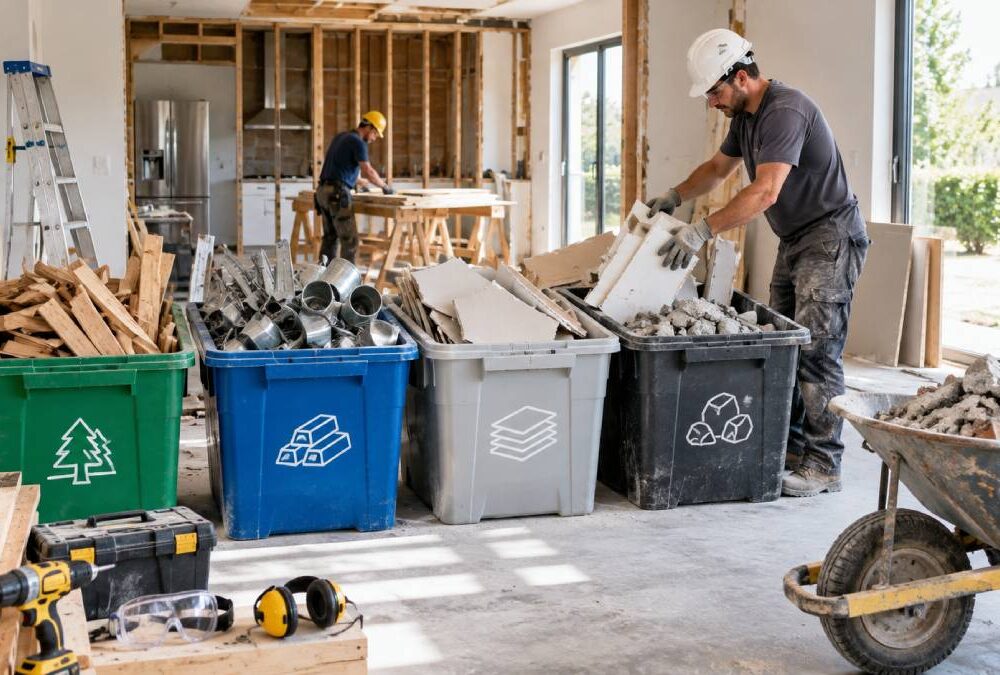
Home renovations often generate a surprising amount of debris, from old plasterboard and timber offcuts to packaging, tiles, and fittings. Left unmanaged, this waste can quickly clutter the site, slow progress, and create unnecessary stress. Taking a structured approach from the outset helps keep the project organised and reduces the risk of last-minute disposal problems.
Careful planning also makes it easier to separate materials that can be reused or recycled from those that must go to landfill. Many homeowners in the area find that arranging suitable skip hire Slough early in the process gives them a practical way to contain and remove the bulk of the waste without disrupting daily life on site.
Start with a Clear Waste Plan
Before any demolition or stripping-out begins, list the main types of materials you expect to remove. Note approximate volumes so you can match container sizes to the job rather than over-ordering or running out of space halfway through. A simple written plan shared with contractors keeps everyone aligned on what stays, what goes, and where temporary storage will sit.
Include space for segregation from day one. Designating separate areas or containers for clean timber, metals, and general rubble makes later recycling far more straightforward and often reduces overall disposal costs when using skip hire Slough. Review the plan weekly as the project develops so adjustments can be made before waste builds up.
Sort Materials as You Work
Sorting on site is one of the most effective habits you can adopt. As soon as a wall comes down or flooring is lifted, place reusable items to one side and put non-recyclable debris straight into the designated container. This prevents cross-contamination and keeps the working area safer and clearer for tradespeople.
Encourage everyone on site to follow the same system. Clear labelling of piles or bins reduces mistakes and saves time at the end of each day. Over the course of a typical renovation, consistent sorting can significantly cut the volume that ends up as mixed waste.
Select Appropriate Disposal Options
Different materials need different routes. Clean wood, metal, and cardboard are usually accepted at recycling centres, while contaminated plasterboard or mixed rubble often requires specialist handling. Check local authority guidance for accepted items and any restrictions that apply to residential projects.
When volumes are larger, a dedicated container remains the most practical solution for many households. Choosing the right size ensures the container arrives when needed and is collected promptly once full, avoiding overflow and potential complaints from neighbours. Match the capacity to your estimated waste rather than selecting the largest available option.
Stay Within Legal and Safety Rules
Most renovations fall under standard household waste rules, yet larger projects can trigger additional requirements around duty of care and proper documentation. Keep records of what leaves the site and where it goes, especially if contractors handle removal on your behalf. This protects you if questions arise later.
Safety matters equally. Overloaded containers, blocked access paths, or poorly stacked materials increase the chance of injury. Keep the area around any waste storage clear, secure loose items against wind, and ensure heavy pieces are handled with appropriate equipment or assistance.
Reduce Waste Before It Starts
Thoughtful design choices cut waste at source. Measure carefully so fewer offcuts are produced, retain serviceable fixtures where possible, and ask suppliers about packaging reduction. Reusing existing materials, such as sound timber or undamaged tiles, both lowers disposal needs and can add character to the finished space.
Speak with your builder or designer about these options during the planning stage. Small adjustments early on often prevent larger volumes of debris later, making the entire process smoother and more economical.
Conclusion
Managing construction waste successfully rests on early planning, consistent sorting, and choosing disposal methods that match the materials generated. By treating waste as a core part of the project rather than an afterthought, you keep the site safer, reduce unnecessary costs, and minimise disruption to the surrounding area.
A well-organised approach also leaves you with a clearer path to completion. Review your plan regularly, communicate expectations clearly with everyone involved, and you will find the renovation progresses with far less residual mess than might otherwise be expected.