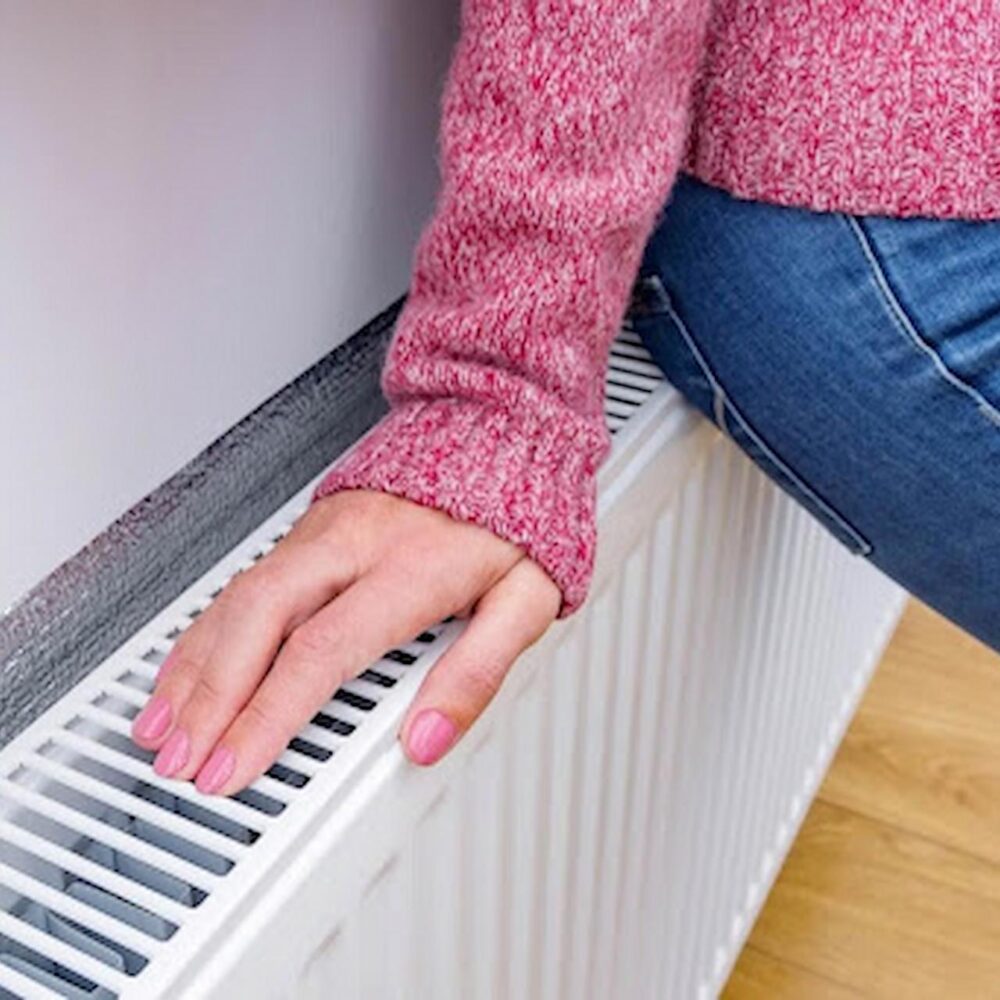
Rising energy costs have made many households rethink how efficiently their heating systems work. While boilers often take the blame, radiators play a far bigger role than most people realise. Small, informed changes to radiator performance can noticeably reduce energy waste and improve comfort across the home.
Rethinking Heating Efficiency Beyond the Boiler
When heating bills increase, the boiler is often seen as the main culprit. In reality, even a modern boiler can underperform if the heat it produces is not distributed efficiently. Radiators are the final link in the heating chain, and improving how they release, direct, and retain heat plays a practical role in understanding how to lower heating bills without major system upgrades.
Radiators that respond quickly, emit heat evenly, and minimise losses allow rooms to reach target temperatures faster. This shortens boiler run times, reduces wasted energy, and supports more consistent indoor comfort across the home.
How Heat Output and Design Shape Energy Use
Not all radiators release heat in the same way. Traditional designs may rely heavily on convection, while modern models balance radiant and convective heat more effectively. Radiant heat warms people and surfaces directly, reducing the need to overheat the air.
Heat output is measured in watts or BTUs. When output aligns with room size, heating becomes more precise. Oversized radiators waste energy, while undersized units force longer boiler cycles.
Matching Radiator Output to Room Conditions
Room size, insulation quality, and window exposure all affect how much heat is required. When output matches demand, the heating system works efficiently rather than compensating for imbalance.
Faster Warm-Up Means Lower Energy Demand
One overlooked factor in heating efficiency is response time. Radiators made from materials that heat up quickly begin releasing warmth sooner after the system switches on. This shortens the period the boiler runs at high load.
According to energy efficiency studies, reducing warm-up time can lower heating energy use by up to 10% in regularly heated spaces. Over a full season, this contributes meaningfully to cost control without changing the boiler itself.
Heat Retention and Even Distribution Matter
Heat that escapes into walls or rises straight to the ceiling does little for comfort. Radiators designed to direct warmth forward into the room improve perceived temperature at lower thermostat settings.
Even distribution also reduces cold spots, which often prompt occupants to increase heating unnecessarily. Balanced heat output supports steadier indoor temperatures, helping households maintain comfort while learning practical ways of how to lower heating bills through better heat control rather than higher output.
Why Surface Area Influences Performance
Radiators with increased surface area transfer heat more efficiently to the room air. This allows the same warmth to be achieved with less energy input from the boiler.
Smarter Controls Amplify Radiator Efficiency
Radiator performance improves significantly when paired with modern controls. Thermostatic radiator valves (TRVs) regulate heat room by room, preventing unnecessary heating of unused spaces.
Data from UK housing energy assessments shows zoned heating can reduce space-heating costs by 8–12%. The radiators themselves become more efficient simply by responding intelligently to occupancy and usage patterns.
Managing Heat Loss Around Radiators
Heat loss often occurs behind radiators, especially on external walls. Simple measures can prevent warmth from escaping before it enters the room.
Common Sources of Inefficiency
- Poor wall insulation behind radiators
- Gaps allowing warm air to rise unused
- Outdated radiator placement near draughts
Addressing these issues improves radiator effectiveness without touching the boiler, reinforcing practical approaches to how to lower heating bills using existing infrastructure.
Actionable Ways Radiators Can Reduce Heating Costs
Small, targeted improvements deliver the best results. Consider these practical steps:
- Ensure radiator output matches room size and insulation levels
- Use thermostatic radiator valves to avoid overheating unused rooms
- Improve heat reflection and reduce losses behind external-wall radiators
- Maintain radiators regularly to prevent air build-up and uneven heating
- Optimise placement to support natural heat circulation
Each step focuses on efficiency rather than replacement, helping households control costs sustainably.
The Long-Term Impact of Efficient Radiator Performance
Heating systems function as an ecosystem. When radiators operate efficiently, boilers experience less strain and fewer prolonged cycles. This not only reduces fuel use but can also extend system lifespan.
Over time, improved radiator performance contributes to steadier energy consumption, fewer temperature fluctuations, and better overall comfort. The financial benefits compound season after season without the disruption of major upgrades.
Closing Statement
Improving radiator efficiency is one of the most practical ways to manage household heating costs. Without replacing the boiler, thoughtful attention to radiator design, placement, and control can transform how heat is used across the home. Faster warm-up times, better heat direction, and reduced losses all mean the boiler works less to achieve the same comfort.
For homeowners seeking realistic answers to how to lower heating bills, radiators offer an often-overlooked opportunity. By aligning heat output with room needs, using intelligent controls, and addressing inefficiencies, energy waste falls naturally. These changes are accessible, cost-effective, and adaptable to most homes.
Rather than focusing solely on large-scale replacements, taking a closer look at radiator performance encourages smarter heating habits. The result is a warmer home, more predictable energy use, and meaningful savings that continue year after year—without unnecessary complexity or disruption.