• Skip to primary navigation
  • Skip to main content
  • Skip to primary sidebar
  • Skip to footer

Bahaical

  • Home
  • Finance
  • Marketing
  • Law
  • Career
  • Contact Me

James Eames

Ways a Radiator Can Lower My Heating Bills Without Replacing the Boiler

January 25, 2026 By James Eames

Radiator

Rising energy costs have made many households rethink how efficiently their heating systems work. While boilers often take the blame, radiators play a far bigger role than most people realise. Small, informed changes to radiator performance can noticeably reduce energy waste and improve comfort across the home.

Rethinking Heating Efficiency Beyond the Boiler

When heating bills increase, the boiler is often seen as the main culprit. In reality, even a modern boiler can underperform if the heat it produces is not distributed efficiently. Radiators are the final link in the heating chain, and improving how they release, direct, and retain heat plays a practical role in understanding how to lower heating bills without major system upgrades.

Radiators that respond quickly, emit heat evenly, and minimise losses allow rooms to reach target temperatures faster. This shortens boiler run times, reduces wasted energy, and supports more consistent indoor comfort across the home.

How Heat Output and Design Shape Energy Use

Not all radiators release heat in the same way. Traditional designs may rely heavily on convection, while modern models balance radiant and convective heat more effectively. Radiant heat warms people and surfaces directly, reducing the need to overheat the air.

Heat output is measured in watts or BTUs. When output aligns with room size, heating becomes more precise. Oversized radiators waste energy, while undersized units force longer boiler cycles.

Matching Radiator Output to Room Conditions

Room size, insulation quality, and window exposure all affect how much heat is required. When output matches demand, the heating system works efficiently rather than compensating for imbalance.

Faster Warm-Up Means Lower Energy Demand

One overlooked factor in heating efficiency is response time. Radiators made from materials that heat up quickly begin releasing warmth sooner after the system switches on. This shortens the period the boiler runs at high load.

According to energy efficiency studies, reducing warm-up time can lower heating energy use by up to 10% in regularly heated spaces. Over a full season, this contributes meaningfully to cost control without changing the boiler itself.

Heat Retention and Even Distribution Matter

Heat that escapes into walls or rises straight to the ceiling does little for comfort. Radiators designed to direct warmth forward into the room improve perceived temperature at lower thermostat settings.

Even distribution also reduces cold spots, which often prompt occupants to increase heating unnecessarily. Balanced heat output supports steadier indoor temperatures, helping households maintain comfort while learning practical ways of how to lower heating bills through better heat control rather than higher output.

Why Surface Area Influences Performance

Radiators with increased surface area transfer heat more efficiently to the room air. This allows the same warmth to be achieved with less energy input from the boiler.

Smarter Controls Amplify Radiator Efficiency

Radiator performance improves significantly when paired with modern controls. Thermostatic radiator valves (TRVs) regulate heat room by room, preventing unnecessary heating of unused spaces.

Data from UK housing energy assessments shows zoned heating can reduce space-heating costs by 8–12%. The radiators themselves become more efficient simply by responding intelligently to occupancy and usage patterns.

Managing Heat Loss Around Radiators

Heat loss often occurs behind radiators, especially on external walls. Simple measures can prevent warmth from escaping before it enters the room.

Common Sources of Inefficiency
  • Poor wall insulation behind radiators
  • Gaps allowing warm air to rise unused
  • Outdated radiator placement near draughts

Addressing these issues improves radiator effectiveness without touching the boiler, reinforcing practical approaches to how to lower heating bills using existing infrastructure.

Actionable Ways Radiators Can Reduce Heating Costs

Small, targeted improvements deliver the best results. Consider these practical steps:

  • Ensure radiator output matches room size and insulation levels
  • Use thermostatic radiator valves to avoid overheating unused rooms
  • Improve heat reflection and reduce losses behind external-wall radiators
  • Maintain radiators regularly to prevent air build-up and uneven heating
  • Optimise placement to support natural heat circulation

Each step focuses on efficiency rather than replacement, helping households control costs sustainably.

The Long-Term Impact of Efficient Radiator Performance

Heating systems function as an ecosystem. When radiators operate efficiently, boilers experience less strain and fewer prolonged cycles. This not only reduces fuel use but can also extend system lifespan.

Over time, improved radiator performance contributes to steadier energy consumption, fewer temperature fluctuations, and better overall comfort. The financial benefits compound season after season without the disruption of major upgrades.

Closing Statement

Improving radiator efficiency is one of the most practical ways to manage household heating costs. Without replacing the boiler, thoughtful attention to radiator design, placement, and control can transform how heat is used across the home. Faster warm-up times, better heat direction, and reduced losses all mean the boiler works less to achieve the same comfort.

For homeowners seeking realistic answers to how to lower heating bills, radiators offer an often-overlooked opportunity. By aligning heat output with room needs, using intelligent controls, and addressing inefficiencies, energy waste falls naturally. These changes are accessible, cost-effective, and adaptable to most homes.

Rather than focusing solely on large-scale replacements, taking a closer look at radiator performance encourages smarter heating habits. The result is a warmer home, more predictable energy use, and meaningful savings that continue year after year—without unnecessary complexity or disruption.

Filed Under: Home Improvement Tagged With: Radiator

Window Installers Guide: What to Expect from Installation to Aftercare

January 20, 2026 By James Eames

Window Installers

Choosing the right window installers Watford is an important decision for any homeowner. New windows improve comfort, security, and energy efficiency. However, the process can feel unclear if you have never arranged window installation before. This guide explains each stage in simple terms, from early planning to long-term aftercare.

This Window Installers Guide: What to Expect from Installation to Aftercare is written to help you feel informed and confident. It reflects real experience, industry standards, and what reputable installers in Watford typically offer.

Understanding the Role of Window Installers in Watford

Professional window installers handle more than just fitting glass and frames. Their work starts well before installation day and continues long after the tools are packed away.

A reliable installer will:

  • Assess your property carefully
  • Help you choose suitable window styles
  • Measure accurately
  • Install safely and cleanly
  • Provide guidance on care and maintenance

Local knowledge also matters. Installers familiar with Watford understand common property types, planning expectations, and weather conditions in Hertfordshire.

Initial Consultation and Property Assessment

The process usually begins with a home visit. During this stage, the installer looks at your existing windows and listens to your needs.

They may discuss:

  • Window condition and age
  • Heat loss and noise issues
  • Security concerns
  • Design preferences
  • Budget range

Measurements are taken carefully. Accurate measuring prevents gaps, draughts, and fitting problems later. A written quote should follow, outlining costs, timescales, and what is included.

Choosing the Right Windows for Your Home

Selecting windows is not only about appearance. Practical factors are just as important.

Common options include:

  • uPVC windows for durability and low upkeep
  • Aluminium frames for a slim, modern look
  • Timber windows for traditional homes

You may also choose:

  • Double or triple glazing
  • Different opening styles
  • Frosted or safety glass

Good installers explain options clearly without pressure. They focus on what suits your home rather than pushing costly extras.

Preparing for Installation Day

Once you agree to proceed, the installer schedules the work. Preparation helps everything run smoothly.

Before installation:

  • Clear space around windows
  • Remove curtains and blinds
  • Protect nearby furniture

Installers usually bring dust sheets and protective covers. They should also explain how long the work will take and whether you need to be at home.

What Happens During the Installation Process

On installation day, the team arrives with tools and materials ready. Old windows are removed carefully to avoid damage to walls and frames.

The process typically includes:

  • Safe removal of existing windows
  • Checking the opening condition
  • Fitting and securing new frames
  • Installing glass panels
  • Sealing edges to prevent draughts

Each window is tested to ensure it opens and closes properly. A professional team works methodically and keeps disruption to a minimum.

Quality Checks and Finishing Touches

After fitting, installers carry out checks to confirm everything meets standards. This stage is vital for long-term performance.

They should:

  • Inspect seals and fixings
  • Check locking systems
  • Clean frames and glass
  • Remove waste materials

You may receive certificates for compliance and warranties. These documents are important for insurance and future property sales.

Aftercare and Ongoing Support

Aftercare is a key part of a quality service. Reputable window installers Watford remain available if issues arise.

Aftercare often includes:

  • Guidance on cleaning and care
  • Advice on ventilation
  • Warranty support
  • Follow-up visits if needed

This Window Installers Guide: What to Expect from Installation to Aftercare highlights that good service does not end on installation day. Ongoing support shows professionalism and accountability.

How to Maintain Your New Windows

Simple maintenance keeps windows working well for years.

Best practices include:

  • Wiping frames regularly with mild soap
  • Keeping hinges and locks clean
  • Checking seals for wear
  • Avoiding harsh cleaners

With basic care, modern windows remain secure, weather-tight, and attractive.

Signs You Chose the Right Installer

A successful project leaves you confident in your choice.

Positive signs include:

  • Clear communication throughout
  • Work completed on schedule
  • Clean and tidy finish
  • Proper documentation provided

If installers explain each step clearly and respond promptly to questions, it reflects experience and trustworthiness.

Final Thoughts

Working with skilled window installers in Watford ensures your home benefits from improved comfort, safety, and efficiency. Understanding the full journey—from planning to aftercare—helps you make informed decisions and avoid surprises.

This guide is designed to give clarity, reduce stress, and support homeowners seeking reliable, professional window installation services.

Filed Under: Home Improvement

Waterproof Electronic Enclosures for Outdoor & Industrial Use

January 17, 2026 By James Eames

Waterproof Electronic

Electronic systems are now used in places that were once considered unsuitable for sensitive equipment. Outdoor installations, industrial plants, transport hubs, and utility sites all rely on electronics to operate safely and efficiently. These environments are harsh. Rain, dust, humidity, vibration, and temperature changes are constant challenges. As a result, proper housing is not optional. It is essential.

This is where Waterproof Electronic Enclosures for Outdoor & Industrial Use play a critical role. They protect vital equipment from damage, reduce downtime, and support long-term performance in demanding conditions. Purpose-built solutions, such as those found at https://www.gttwireless.com/enclosures/, are designed specifically to meet these environmental challenges.

Why Protection Matters in Outdoor and Industrial Settings

Outdoor and industrial locations expose electronics to conditions that can quickly cause failure. Water can enter small gaps and lead to corrosion. Dust can block airflow and cause overheating. Over time, even minor exposure can affect accuracy, safety, and reliability.

A single failure can stop operations, disrupt services, or create safety risks. Therefore, reliable enclosure systems are a core part of modern infrastructure. They act as a barrier between delicate electronics and the surrounding environment.

Understanding the Role of Enclosures

An enclosure is more than a box. It is a protective system designed to shield electronic components while allowing them to function correctly. Good enclosures protect against water, dust, and impact. They also support cable routing, access control, and heat management.

In outdoor and industrial use, the enclosure must perform consistently. It must protect equipment during heavy rain, high humidity, or dusty conditions. This reliability is what makes enclosure selection so important.

Standards That Define Waterproof Protection

Before choosing an enclosure, it is important to understand recognised protection standards. These standards help users compare products and select the right level of defence.

Many professionals refer to a waterproof electronics enclosure, ip67 enclosures, or NEMA6 Enclosures when selecting protection. These standards describe how well an enclosure resists water and dust. They are widely used across industries to ensure consistent performance and safety.

When discussing Waterproof Electronic Enclosures for Outdoor & Industrial Use, these ratings provide confidence that the enclosure can handle real-world conditions without compromising internal components.

Materials Used in Waterproof Enclosures

Material choice directly affects durability and performance. Enclosures are commonly made from plastic, metal, or coated materials. Each option serves a specific purpose.

Plastic enclosures are lightweight and resist corrosion. They are suitable for many outdoor applications. Metal enclosures provide extra strength and are often used in industrial environments where impact resistance is important. Coated surfaces add protection against moisture and wear.

Regardless of material, quality seals are essential. Without proper sealing, even strong materials cannot prevent water or dust entry.

Design Features That Improve Reliability

A well-designed enclosure protects equipment without making maintenance difficult. Doors, panels, and seals must close tightly. At the same time, technicians need safe and controlled access for inspection or repair.

Cable entry points are a common risk area. Poor design here can allow water to enter. High-quality enclosures use sealed openings and thoughtful layouts to reduce this risk.

Ventilation is another key factor. Electronics generate heat, and trapped heat can reduce lifespan. Enclosures must balance airflow while keeping water and dust out.

Where These Enclosures Are Commonly Used

Waterproof enclosures are used across many sectors. Outdoor lighting systems rely on them to protect control units. Industrial automation systems use them to house sensors and controllers. Transport networks depend on them for signalling and monitoring equipment.

Utilities, construction sites, and renewable energy systems also rely on strong enclosure solutions. In each case, protection ensures stable operation and reduces maintenance needs.

In these settings, professionals often evaluate waterproof electronics enclosure, ip67 enclosures, or NEMA6 Enclosures before committing to a solution. This careful selection supports compliance and performance.

Long-Term Benefits of Proper Enclosure Selection

Choosing the right enclosure brings long-term advantages. Equipment lasts longer. Maintenance costs are reduced. Unexpected failures become less frequent. These benefits directly support operational efficiency.

Strong enclosures also protect investment. Electronic equipment can be expensive. Housing it properly reduces the risk of early replacement. Over time, this leads to significant cost savings.

In addition, proper protection supports safety. Electrical faults caused by water or dust can create hazards. Preventing exposure reduces these risks and supports safer working environments.

Maintenance and Inspection Considerations

Even the best enclosure needs regular checks. Seals can wear out. Fasteners may loosen. Environmental exposure can take its toll.

Routine inspection helps catch issues early. Simple actions such as checking seals, cleaning external surfaces, and confirming closures remain secure can extend enclosure life. Preventive care ensures continued protection without disruption.

Conclusion

Waterproof enclosures are a vital part of modern outdoor and industrial electronic systems. They protect sensitive equipment from water, dust, and environmental stress. Without them, reliability and safety are at risk.

By selecting the right materials, understanding protection standards, and maintaining enclosures properly, organisations can ensure consistent performance. Waterproof Electronic Enclosures for Outdoor & Industrial Use are not just protective shells. They are essential tools that support efficiency, safety, and long-term value in demanding environments.

Filed Under: Technology

6 Ways Demolition Services Can Speed Up Your Construction Project

December 16, 2025 By James Eames

Construction Project

Every construction project depends on a strong and well-prepared start. Before new work can begin, old structures often need to be cleared safely and efficiently. This is where professional demolition support plays a key role. When handled correctly, demolition sets the pace for the entire project and prevents costly delays later.

Rushing this stage without expertise often leads to setbacks. In contrast, a planned approach helps builders move forward with confidence. Below are six practical ways demolition work helps speed up construction timelines.

1. Faster Site Clearance From Day One

Professional demolition services are designed to clear sites quickly without unnecessary disruption. Teams work to a clear plan, removing unwanted structures in the right order. This avoids confusion and wasted time once construction begins.

With demolition services in place early, the site becomes ready for groundwork sooner. As a result, builders can start the next phase without waiting for clearance issues to be resolved.

2. Reduced Risk of Unexpected Delays

Old buildings often hide problems such as unstable walls or hidden materials. Experienced demolition services identify and manage these risks before they affect the wider project. This prevents sudden stoppages once construction is underway.

Using trusted demolition services also reduces the chance of safety incidents. Fewer disruptions mean schedules stay on track and progress remains steady.

3. Better Planning and Coordination

Demolition teams work closely with construction planners. This coordination ensures each stage follows smoothly. When demolition finishes on time, groundwork and building phases can start as planned.

Clear communication between teams removes guesswork. Everyone knows when the site will be ready, which supports faster decision-making and smoother workflows.

4. Efficient Waste Removal and Site Organisation

Construction sites slow down when waste piles up. Professional demolition teams manage debris removal as part of the process. Materials are cleared and sorted quickly, leaving a clean and organised site.

This efficiency helps construction teams work without obstacles. Clear access routes and open space improve productivity and reduce downtime.

Key benefits of organised site clearance include:

  • Easier movement for workers and equipment
  • Fewer safety concerns
  • Faster setup for the next phase

5. Improved Safety for Construction Teams

Safety issues cause delays. When demolition is done correctly, hazards are removed early. This creates a safer environment for builders and contractors.

A safe site allows teams to work confidently and efficiently. Fewer accidents mean fewer stoppages, inspections, and repairs that slow progress.

6. Strong Foundations for Faster Progress

Demolition is not just about removal. It prepares the ground for what comes next. Proper clearing ensures foundations can be laid without obstruction or rework.

When the base is ready, construction moves forward without interruption. This solid start supports quicker completion and better overall results.

Conclusion

Speed in construction begins with preparation. Professional demolition services play a vital role in setting the pace for success. By clearing sites efficiently, reducing risks, and supporting smooth planning, they help projects move forward without delay. Investing in expert demolition is not just about removal. It is about creating the right conditions for faster, safer, and more reliable construction outcomes.

Filed Under: Business Tagged With: Construction Project

Affordable Skip Hire in Hemel Hempstead: Clear Your Waste Fast!

November 10, 2025 By James Eames

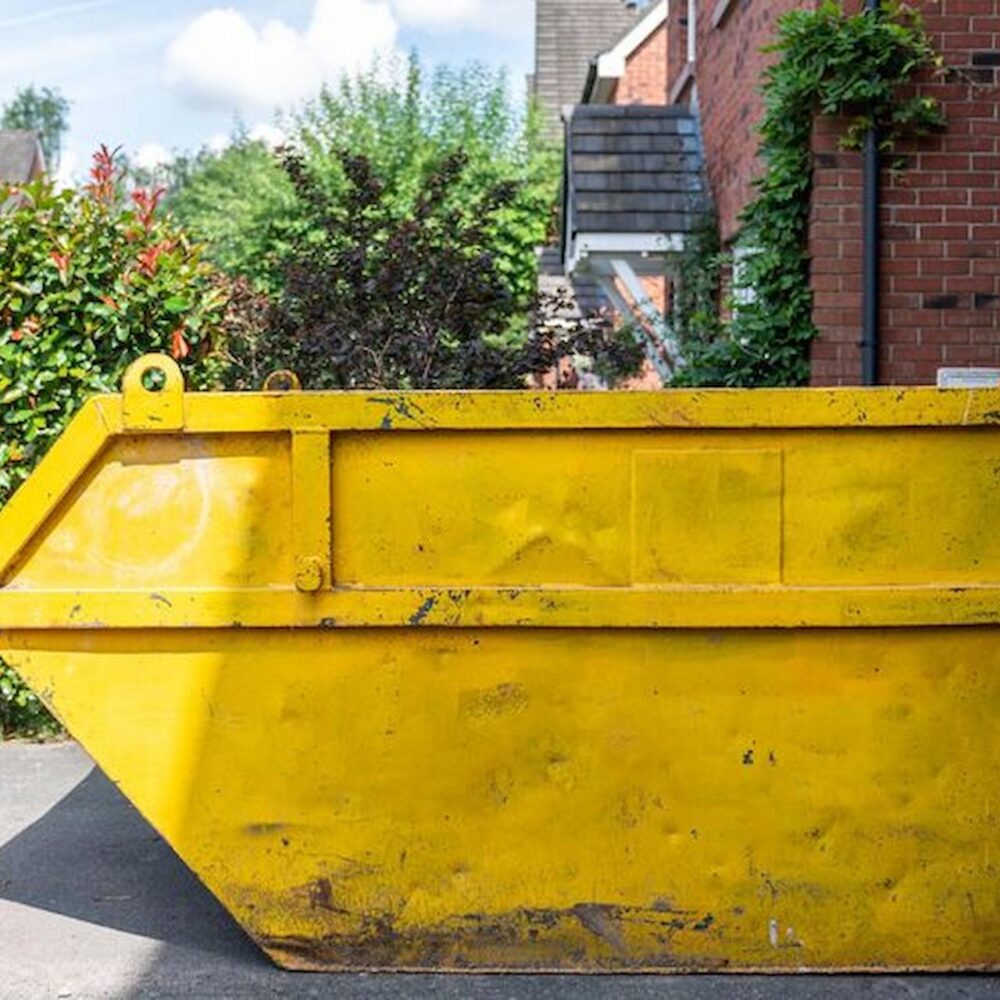
Skip Hire

Keeping your home, garden, or business clean can sometimes feel like an endless task. Whether you are renovating a property, managing a construction site, or decluttering your home, finding an efficient way to dispose of waste is essential. Skip hire in Hemel Hempstead provides a quick, affordable, and eco-friendly solution for waste removal, helping residents and businesses clear their spaces without hassle.

Why Skip Hire Is the Smart Choice

Hiring a skip is one of the most convenient ways to handle large volumes of waste. Instead of making repeated trips to the local recycling centre, you can have a skip delivered right to your doorstep. Once it’s filled, professionals will collect it and ensure proper disposal. This saves both time and energy while ensuring your waste is handled responsibly.

Reliable Skip Hire in Hemel Hempstead

Choosing a trusted skip hire Hemel Hempstead company makes the process straightforward and efficient. From small mini skips for home clean-ups to large industrial skips for commercial projects, there’s an option for every need. Most companies offer flexible hire durations, same-day delivery, and competitive pricing to suit every budget.

With skip hire Hemel Hempstead, you can also rest assured that most of your waste will be recycled. Local providers often prioritise environmentally friendly disposal methods, reducing landfill waste and supporting sustainability efforts in the community.

Types of Skips Available

Different projects require different skip sizes. Mini skips are ideal for domestic use, such as clearing out a garage or disposing of garden waste. Midi skips are suitable for small renovation jobs, while builder’s skips can handle construction debris. For large-scale commercial waste management, roll-on-roll-off skips offer maximum capacity and convenience.

Understanding the right size before booking helps you save money and ensures your project runs smoothly. Most local providers are happy to recommend the best skip size based on your requirements.

Benefits of Hiring a Skip

Skip hire offers a range of advantages beyond simple waste removal. It helps maintain a clean and safe environment by preventing rubbish from piling up on-site. Having a skip nearby also reduces the risk of accidents caused by scattered debris. Moreover, professional skip hire companies are licensed waste carriers who follow strict disposal regulations, ensuring your waste is handled legally and ethically.

For households, it simplifies tasks such as spring cleaning, moving house, or landscaping projects. For businesses, it improves site organisation and compliance with waste management laws.

Eco-Friendly Waste Management

Modern skip hire companies focus strongly on sustainability. Instead of dumping everything into landfills, they separate materials for recycling and recovery. Items such as wood, metal, plastic, and concrete are processed responsibly to reduce environmental impact. This means that choosing skip hire supports not only your convenience but also the environment.

Many companies in Hemel Hempstead now operate recycling centres and partner with waste processing facilities to ensure minimal landfill contribution. This approach aligns with the UK’s ongoing efforts to promote greener waste management solutions.

How to Choose the Right Skip Hire Service

Selecting the right skip hire company involves more than just price comparison. Look for a provider with transparent pricing, valid waste carrier licenses, and positive customer reviews. Local experience also matters—companies familiar with Hemel Hempstead’s waste disposal regulations can handle permits and restrictions efficiently, particularly for skips placed on public roads.

A reliable provider will also deliver and collect on time, preventing delays in your project. They should offer clear guidance on what materials are acceptable and provide advice on safe loading practices.

Cost Factors and Money-Saving Tips

Skip hire prices depend on several factors, including skip size, rental duration, and type of waste. General household waste tends to be cheaper than heavy materials like bricks or soil. Booking in advance and comparing quotes from multiple local firms can help secure better rates.

It’s also wise to avoid overfilling the skip, as companies may charge extra for unsafe loads. Always choose a skip size slightly larger than you think you’ll need—this often saves money in the long run by avoiding the need for an additional skip.

Common Uses for Skip Hire

Skip hire is versatile and suitable for a range of projects. Homeowners use skips during garden clean-ups, kitchen refurbishments, or garage clear-outs. Builders rely on them for debris and rubble removal, while commercial clients use them for managing office renovation waste or warehouse clearances.

Events, festivals, and local clean-up drives also benefit from temporary skip hire. The convenience of on-site waste collection allows organisers to maintain cleanliness and comply with disposal regulations effortlessly.

Legal and Safety Considerations

It’s important to remember that placing a skip on a public road may require a permit from the local council. Most skip hire companies can arrange this on your behalf. You should also ensure that hazardous materials—like asbestos, chemicals, or batteries—are not placed in general skips, as they require special disposal methods.

For safety, always load heavy items first and distribute weight evenly. Avoid overfilling, as it can make transportation dangerous and lead to fines or extra charges.

Why Local Expertise Matters

Using a local skip hire service in Hemel Hempstead ensures faster delivery and collection. Local providers understand the area’s waste management infrastructure, road access, and disposal facilities. They also contribute to the local economy and maintain community-focused services, which often translates into better customer care.

Choosing a local business can also reduce the carbon footprint of transport, aligning with environmentally conscious waste management practices.

Final Thoughts

Skip hire offers a practical, efficient, and affordable solution for managing waste from homes, offices, and construction sites. By working with a reputable local provider, you can ensure your waste is disposed of responsibly while saving time and effort. Whether it’s a small domestic project or a large commercial task, professional skip hire in Hemel Hempstead guarantees quick, safe, and eco-friendly results.

Filed Under: Home Improvement

Why Clear Workplace Rights Information Matters in Bozeman

November 9, 2025 By James Eames

Bozeman

Workplace relationships work best when expectations are clear. Employees need to know what is fair, lawful, and reasonable. Employers need clear boundaries to manage teams properly. When workplace rights are poorly understood, small issues can quickly turn into serious disputes.

In Bozeman, where the workforce spans hospitality, construction, healthcare, education, and technology, access to accurate workplace rights guidance is especially important. Clear information protects both livelihoods and working relationships.

This article explains why reliable workplace rights knowledge matters, how it supports fair treatment, and what happens when information is missing or misunderstood.

The Foundation of Fair Workplaces

Workplace rights are not abstract ideas. They affect daily life at work.

They shape:

  • Pay and working hours
  • Job security and dismissal processes
  • Health and safety standards
  • Equality and fair treatment
  • How complaints are handled

Without clear guidance, workers may accept unfair treatment simply because they do not know better. Employers may also make mistakes without realising the consequences.

This is where Bozeman workplace rights information plays a vital role. It gives people a shared understanding of what the law allows and what it does not.

Why Bozeman Workers Need Clear Information

Bozeman’s economy is growing and changing. New businesses arrive. Jobs evolve. Employment structures shift.

This creates risk when workers are unsure about:

  • Their legal protections
  • Their right to challenge unfair treatment
  • Proper procedures for workplace complaints
  • What counts as lawful dismissal

Clear information helps workers recognise problems early. It also reduces fear. When people know their rights, they are more confident raising concerns calmly and professionally.

Importantly, good information helps workers avoid reacting emotionally or making decisions that harm their position.

Preventing Disputes Before They Escalate

Many workplace disputes begin as simple misunderstandings.

Common examples include:

  • Confusion over working hours or overtime
  • Unclear job duties
  • Poor communication about performance concerns
  • Inconsistent treatment across teams

When workers have access to Bozeman workplace rights information, they can identify whether an issue is a legal problem or a management issue. This distinction matters.

Early clarity allows problems to be addressed internally before formal complaints or legal steps become necessary.

Supporting Equal and Fair Treatment

Fair treatment is central to a healthy workplace. Yet discrimination and unequal treatment still occur, sometimes unintentionally.

Clear rights information helps workers understand:

  • What discrimination looks like in practice
  • How equality laws apply at work
  • The difference between poor management and unlawful conduct
  • When behaviour crosses a legal line

This knowledge encourages accountability. It also reassures workers that fairness is not a favour, but a right protected by law.

Strengthening Employer Responsibility

Clear workplace rights information does not only benefit employees. Employers also gain.

Well-informed employers are better able to:

  • Create fair workplace policies
  • Train managers effectively
  • Respond correctly to complaints
  • Avoid costly disputes and claims
  • Build trust with staff

When expectations are clear, employers can act with confidence rather than fear. This leads to better leadership and stronger workplace culture.

Reducing Fear and Silence at Work

Many workers stay silent because they fear losing their job. Others worry about being labelled difficult.

Clear rights information reduces this fear by explaining:

  • What workers are legally allowed to raise
  • Protection against retaliation
  • Proper complaint channels
  • Documentation best practices

Knowledge shifts the balance of power. Workers feel less isolated and more supported when they understand that the law is there to protect them.

This does not encourage conflict. Instead, it encourages responsible communication.

Helping Workers Make Informed Decisions

Workplace issues often involve difficult choices.

For example:

  • Should a worker raise a concern now or later?
  • Is resignation the only option?
  • Does a problem need legal advice or internal discussion?

Clear workplace rights information supports informed decision-making. It helps workers pause, assess, and choose the safest path forward.

Rushed decisions often lead to regret. Informed decisions lead to better outcomes.

Building Trust in the Workplace

Trust grows when rules are understood and applied consistently.

Clear information helps by:

  • Reducing rumours and misinformation
  • Encouraging transparency
  • Supporting respectful dialogue
  • Setting shared standards

When workers trust the system, they are more engaged and productive. When employers trust that staff understand boundaries, management becomes easier and more effective.

The Role of Accessible Information

Information must be easy to understand. Legal language alone is not enough.

Effective workplace rights guidance should be:

  • Written in plain English
  • Relevant to local working conditions
  • Updated regularly
  • Practical, not theoretical

Accessible information empowers people at all levels, not just those with legal knowledge.

Long-Term Benefits for Bozeman’s Workforce

Over time, clear workplace rights information strengthens the entire community.

It contributes to:

  • Safer workplaces
  • Lower staff turnover
  • Fewer disputes
  • Stronger local businesses
  • Higher standards of fairness

A workforce that understands its rights is more stable, confident, and resilient.

Conclusion

Clear workplace rights information is not a luxury. It is a necessity. In Bozeman’s growing and diverse economy, workers and employers alike benefit from shared understanding.

When people know their rights, problems are addressed earlier, communication improves, and trust grows. Fair treatment becomes the standard, not the exception.

Reliable workplace rights knowledge protects dignity, livelihoods, and long-term workplace health. It ensures that everyone operates from the same foundation of fairness and respect.

Filed Under: Law Tagged With: Bozeman

« Previous Page
Next Page »

Primary Sidebar

Categories

  • Auto
  • Business
  • Career
  • Finance
  • Home Improvement
  • Law
  • Lifestyle
  • Personal Care
  • Real Estate
  • Technology
  • Travel
  • Uncategorized

Latest Posts

Skip Hire

7 Tips for Stress-Free Skip Hire in Richmond (And How to Save Money)

Handling waste during a home project or major clear-out can quickly feel unmanageable. Whether you are renovating, refreshing your garden, or simply clearing unwanted items, having a reliable disposal option is essential. This is where skip hire Richmond services offer a convenient and efficient solution, helping you manage large amounts of waste without the hassle […]

Plumbing Problems

The Sneaky Plumbing Problems That Can Crash Your HVAC System

Introduction Most homeowners think of plumbing and HVAC systems as two completely separate parts of the home. One handles water, the other controls temperature. In reality, these systems are more connected than they seem—and when one starts to fail, the other often follows. Small plumbing problems can quietly put stress on your heating and cooling […]

Footer

About

Bahaical.org is the best online place run by a Bahai in Canada sharing his views on business trends, finance advise with detailed investment guides lifestyle tips.

Our Services

  • Business
  • Finance
  • Technology
  • Career

Recent Posts

  • 7 Tips for Stress-Free Skip Hire in Richmond (And How to Save Money)
  • The Sneaky Plumbing Problems That Can Crash Your HVAC System
  • Choosing Reliable Well System Services for Long-Term Performance

Copyright © 2019-2026 A Bahai in Canada | Privacy Policy

We use cookies to ensure that we give you the best experience on our website. If you continue to use this site we will assume that you are happy with it.